


Kenya’s construction industry is undergoing a transformation. Beyond bricks, cement and steel, the sector is increasingly embracing technology, innovation and smarter ways of designing, building and managing infrastructure. From digital construction tools and Building Information Modelling (BIM) to automation, prefabrication, drones and sustainable building solutions, the industry is evolving. But as construction practices change, one important question arises: are we preparing our students with the skills they need to participate in this transformation?
Technical and Vocational Education and Training (TVET) institutions are central to answering this question. As Kenya continues to invest in infrastructure, housing, roads and other development projects, the demand for a skilled and adaptable workforce will continue to grow. However, producing graduates with certificates alone is not enough. The country needs technicians, artisans, engineers and construction professionals who understand both traditional building practices and the technologies shaping modern construction.
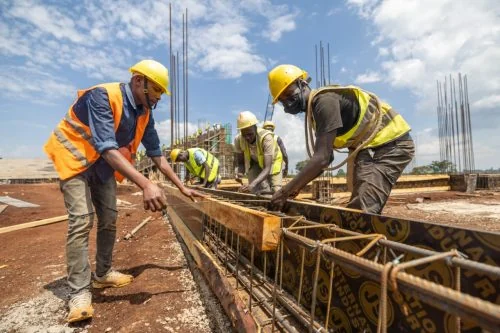
Photocredit: Peoples Daily – TVET Skills put Nandi youth to work on Kapsabet Stadium project

The shift towards smart construction requires a different approach to technical training. Today’s construction professional must be equipped with more than practical building skills. Familiarity with digital design tools, project management technologies, construction safety systems, modern equipment and sustainable building practices is becoming increasingly important. Understanding how to use data to monitor construction progress, manage resources and improve efficiency will also be essential.
This presents an opportunity for TVET institutions to rethink how construction-related courses are delivered. Training should go beyond classroom instruction and expose learners to the actual technologies, equipment and working environments they are likely to encounter after graduation. Students studying civil engineering, masonry, electrical installation, plumbing, welding and other construction-related disciplines should have opportunities to interact with modern construction technologies as part of their learning experience.
Kenya has already made progress in strengthening this connection. The Ministry of Education’s TVET Sub-Sector Report for FY 2026/27–2028/29 highlights the adoption of dual training in 65 institutions, involving 2,583 industry partners and benefiting 7,876 trainees. This approach provides an important foundation for bringing industry experience into technical training. However, the impact will depend on how consistently such partnerships translate into meaningful workplace exposure and practical competencies for learners.
Industry must therefore become an active participant in shaping the next generation of construction professionals. Construction companies, contractors, technology providers, professional bodies and training institutions need to work together in identifying emerging skills requirements, reviewing curricula and providing opportunities for industrial attachment, mentorship and practical learning. Students should be exposed to real construction projects, modern machinery, digital tools and the standards that guide quality and safety in the industry.
Equally important is the need to embrace sustainability and responsible construction. As the industry moves towards energy-efficient buildings, responsible material sourcing, waste reduction and environmentally conscious construction methods, TVET graduates must understand how their work contributes to sustainable development. Green construction should not be treated as an additional subject but as an important consideration across construction-related training programmes.
Another area that deserves greater attention is the role of standards and traceability in smart construction. Construction projects involve numerous materials, suppliers, contractors and equipment, making transparency and accountability essential. The ability to identify and track construction materials, verify product information and maintain reliable records can help address challenges associated with counterfeit products, poor-quality materials and inefficient resource management. GS1 standards, including product identification and traceability solutions, offer opportunities to strengthen visibility and accountability across construction supply chains. Introducing learners to these concepts can help them appreciate that smart construction extends beyond the building site to the entire supply chain.
However, technology adoption must be matched by investment in training infrastructure. Modern workshops, updated equipment, reliable internet connectivity and trainers who understand emerging industry practices are necessary to deliver relevant technical education. TVET trainers also need continuous professional development and exposure to actual industry environments to ensure that what they teach reflects current workplace realities.
There is also a need to change how society perceives technical training. TVET should be recognised as a pathway to innovation, entrepreneurship and professional growth, rather than simply an alternative for students who do not pursue university education. With the right skills, young people can become skilled employees, independent contractors, technology innovators and business owners within the construction ecosystem.
Ultimately, the success of smart construction in Kenya will not be measured solely by the adoption of advanced technologies or the completion of ambitious infrastructure projects. It will also depend on the country’s ability to develop a workforce capable of operating, adapting to and improving these technologies.
Preparing students for the construction industry of tomorrow requires a shared commitment from government, TVET institutions and the private sector. The classroom must connect with the construction site, training must respond to technological change, and industry must have a deliberate role in developing talent.
Kenya’s construction future will be built not only with concrete and steel, but also with knowledge, skills, innovation and standards. The question is whether today’s training systems are keeping pace with that future.
By Smart Construction


