

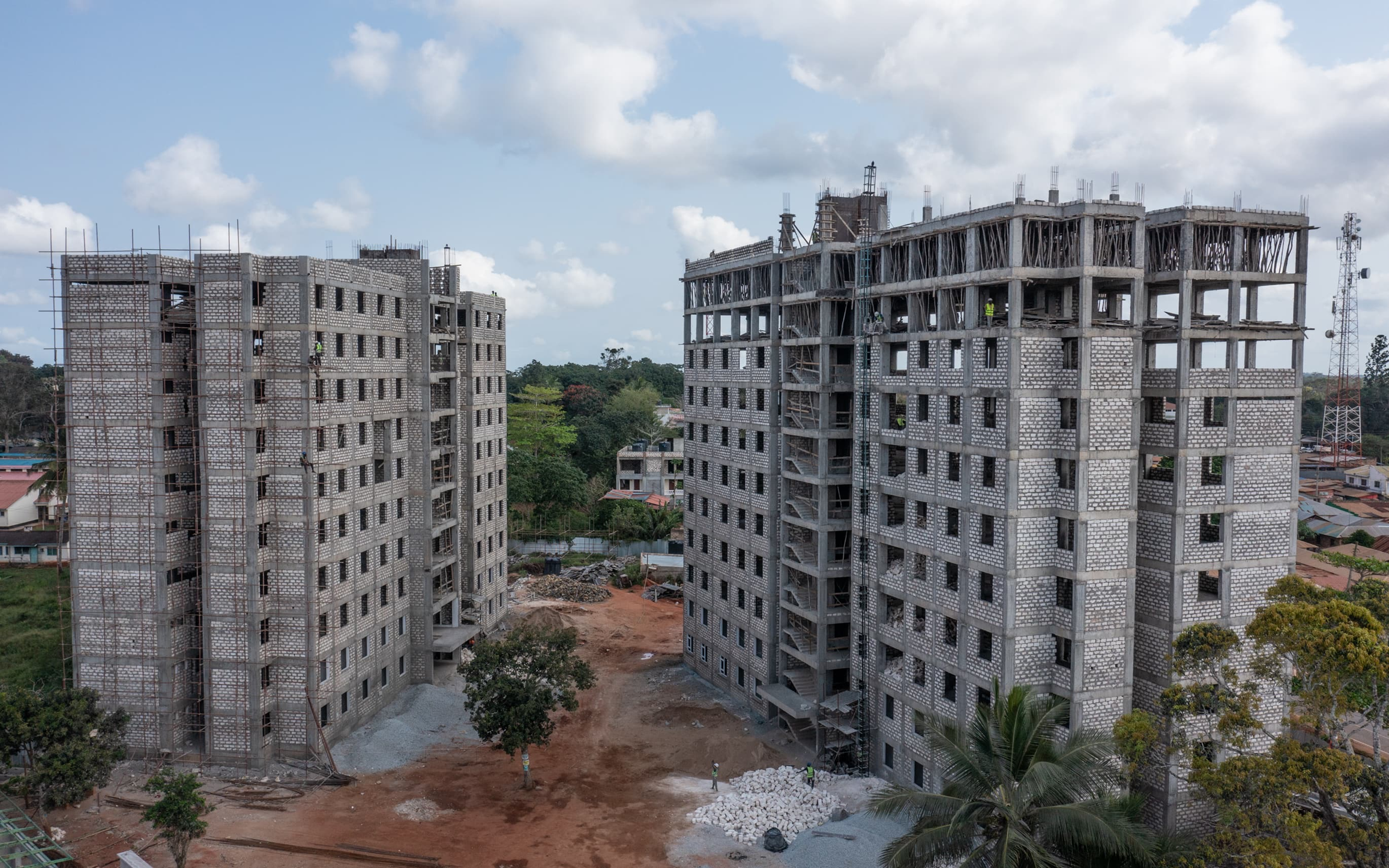

Kenya’s affordable housing agenda represents one of the country’s most ambitious efforts to address the growing demand for decent and accessible homes. Through the Affordable Housing Programme, the government is seeking to expand homeownership opportunities, stimulate the construction industry and address the longstanding housing deficit.
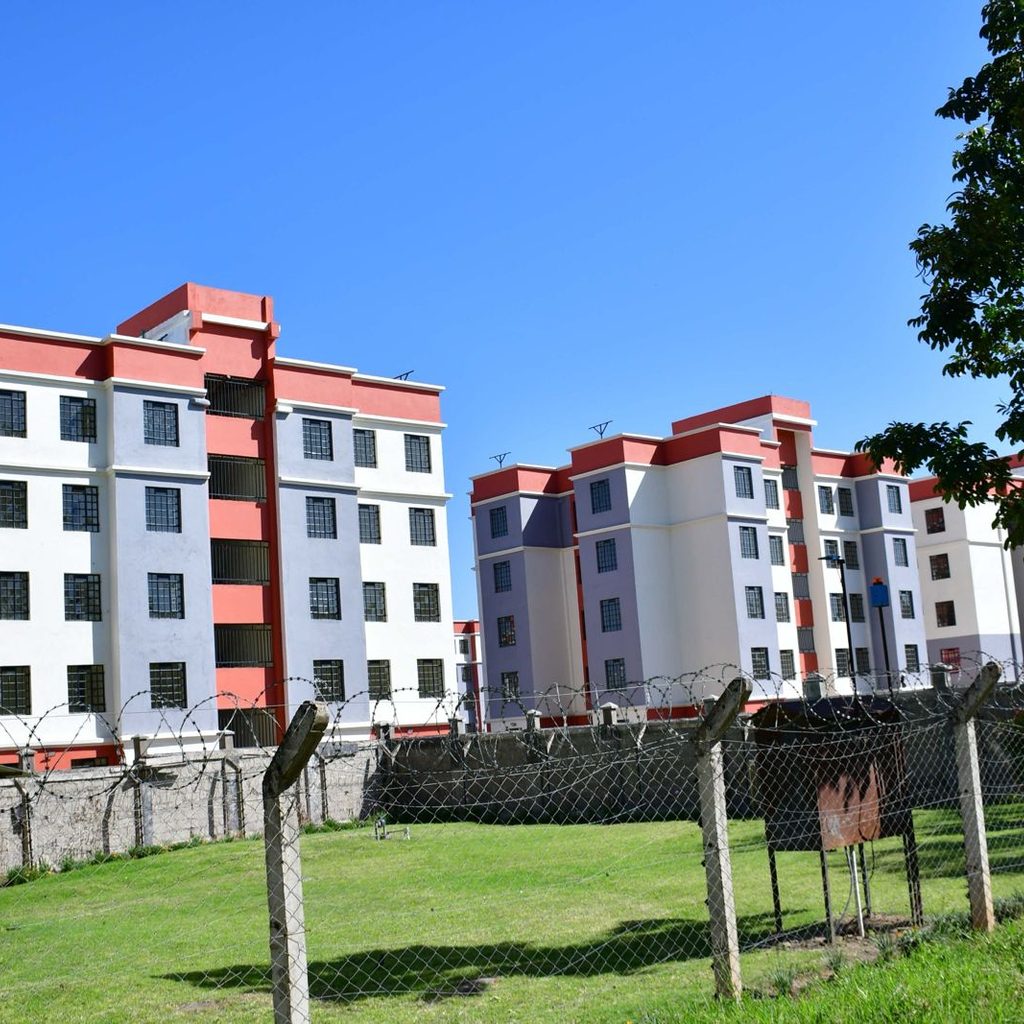
However, as the programme gathers momentum and more developments take shape across the country, an equally important conversation needs to take centre stage: standardization.
How can Kenya ensure that affordable housing developments meet consistent standards of quality, safety, structural integrity and functionality? And how can the country ensure that affordability does not come at the expense of the long-term value and liveability of homes?

These questions are becoming increasingly important as affordable housing moves from policy ambition to large-scale implementation.
The case for a common national standard
Standardization does not necessarily mean that every affordable housing development must look identical. Rather, it means establishing a consistent baseline of requirements that every project must meet, irrespective of its location, developer or target income category.
Kenya already has an important regulatory foundation through the National Building Code 2024, published under Legal Notice No. 47 of 2024. The Code replaced the previous 1968 building regulations and provides an updated framework covering building design, construction, structural safety, building services, quality, wellness, inspection and maintenance. It came into force on 1 March 2025.
The challenge, therefore, is not simply developing more regulations. It is ensuring that existing standards are consistently understood, implemented, monitored and enforced across the construction sector.
For affordable housing, this requires a coordinated approach involving government agencies, county governments, developers, architects, engineers, contractors, manufacturers and other construction industry professionals.
A common standard would help establish clear expectations from the design and procurement stages through construction, inspection, handover and eventual occupation.
Quality should not be sacrificed in the pursuit of affordability
One of the biggest considerations in affordable housing is the relationship between construction costs and quality.
Developers must deliver homes within budgets that are accessible to the intended beneficiaries. However, affordability should not be achieved through compromises that undermine structural integrity, safety or the long-term performance of buildings.
Standardization can help address this challenge by establishing minimum acceptable specifications for construction materials, workmanship and building performance.
For instance, the quality of cement, steel, roofing materials, plumbing installations, electrical systems and finishing materials should be subject to appropriate standards and verification. The Kenya Bureau of Standards (KEBS) plays an important role in developing standards, product testing, inspection and quality assurance.
Standards for Quality Life
Equally important is the need for proper site supervision, independent inspections and quality control at different stages of construction.
A building should not be considered successful simply because it has been completed within budget and on schedule. Its ability to remain safe, functional and durable over its intended lifespan should also inform how its success is measured.
This calls for a shift from measuring housing delivery primarily by the number of completed units to evaluating the overall quality and value of the homes delivered.
Beyond structural integrity: Building homes that support dignified living
Standardization must also extend beyond the physical structure of a building.
A house may meet basic construction requirements but still fall short of providing a suitable living environment if its design overlooks ventilation, natural lighting, sanitation, accessibility, privacy and the needs of different household members.
Affordable housing developments should therefore be assessed on how well they support everyday living.
Considerations such as adequate water supply, reliable sanitation, waste management, drainage, fire safety, access roads, pedestrian walkways and recreational spaces are essential to the overall quality of a residential development.
Accessibility should also be incorporated into design from the beginning, ensuring that persons with disabilities, older people and households with different needs can use the facilities safely and comfortably.
The same thinking should apply to the wider neighbourhood. Affordable housing should not create isolated residential blocks disconnected from schools, healthcare facilities, public transport, markets and employment opportunities.
This is particularly important as Kenya continues to urbanize and demand for housing grows in major towns and emerging urban centres.
The objective should be to develop sustainable communities rather than simply deliver residential units.
Strengthening accountability across the construction value chain
Effective standardization requires accountability at every stage of the housing development process.
Developers must take responsibility for delivering projects that meet approved specifications. Consultants must provide professional oversight, while contractors must demonstrate compliance with technical requirements and quality assurance procedures.
Regulatory institutions, meanwhile, must strengthen inspections, enforcement and coordination to ensure that established standards are not merely documented but applied in practice.
The National Construction Authority has a central role in overseeing compliance within the construction industry, while KEBS contributes through product standards and quality assurance. County governments also have important responsibilities in development control and building approvals.
A more structured approach could include:
- Consistent technical specifications for affordable housing projects.
- Mandatory quality checks at critical construction stages.
- Verification and testing of construction materials.
- Independent structural and safety inspections.
- Proper documentation of construction works and approvals.
- Clear accountability mechanisms for developers and contractors.
- Post-occupancy assessments to identify defects and maintenance concerns.
Such measures would help build public confidence while reducing the likelihood of costly construction defects and premature building deterioration.
Standardization should encourage innovation, not restrict it
While establishing common standards is important, the process should not discourage innovation or make affordable housing unnecessarily expensive.
Kenya has an opportunity to explore modern construction technologies, locally manufactured materials, prefabricated building components and alternative construction methods that can improve efficiency and reduce costs.
However, innovation must be supported by appropriate testing, certification and performance requirements to ensure that new materials and construction methods deliver acceptable levels of safety and durability.
There is also a need to consider regional differences. Construction requirements and design approaches should respond to local climatic conditions, land characteristics, population needs and available resources.
For example, housing developments in arid and semi-arid regions may require different approaches to ventilation, water conservation and thermal comfort compared to those in colder or high-rainfall areas.
The goal should therefore be to establish common minimum standards while allowing flexibility in how developers achieve them.
This balance would enable the industry to innovate without compromising quality.
Making standardization part of Kenya’s housing legacy
The Affordable Housing Act, 2024 provides a legislative framework for the development and access to affordable and institutional housing in Kenya. However, the long-term success of the housing agenda will depend not only on the number of units delivered but also on the standards that govern their development and occupation.
As more stakeholders participate in the programme, standardization presents an opportunity to strengthen confidence in the sector, protect homebuyers and promote greater consistency in construction quality.
It can also create a more predictable operating environment for developers, investors, manufacturers and financial institutions by establishing clear expectations across the housing value chain.
Ultimately, affordable housing should be judged by more than the price of acquiring a unit. Its true value lies in the quality of construction, the safety of its occupants, the functionality of its spaces and its ability to serve households for generations.
For Kenya, the next important step is ensuring that affordability, quality and sustainability become complementary objectives rather than competing priorities.
The success of affordable housing should not simply be measured by how many homes the country builds, but by how well those homes serve the people who live in them.


