

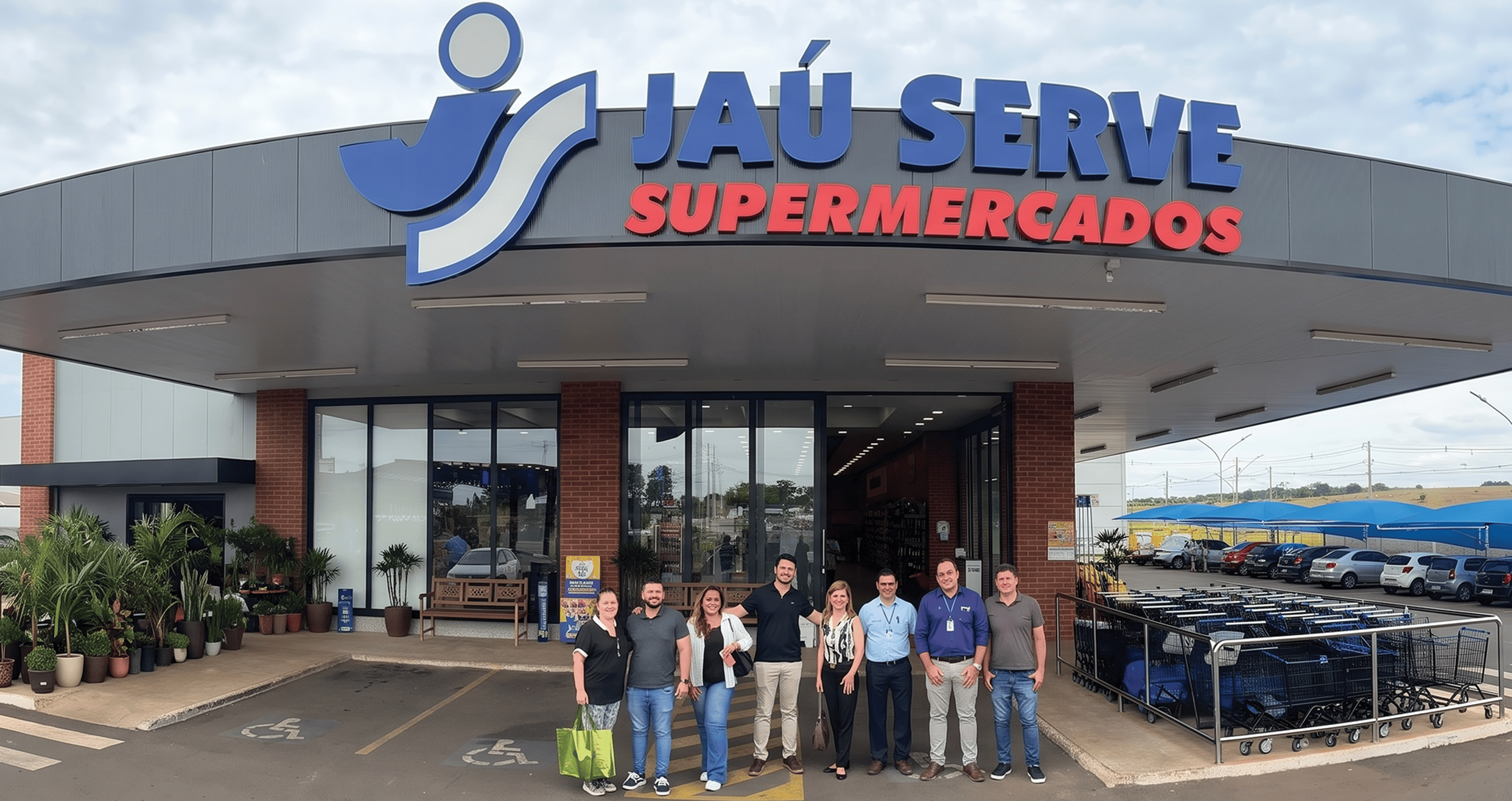

In Brazil, the bakery aisles of Jaú Serve once told a story of inefficiency. Staff relied on manual tracking of batch and expiry dates, a process that consumed time, introduced errors, and risked expired products reaching customers. For a retailer built on trust, this was more than an operational challenge it was a reputational risk.
The turning point came when Jaú Serve embraced GS1 standards and QR code technology. Expiry checks were automated at checkout, inventory management became sharper, and food waste dropped significantly. What had been a daily struggle transformed into a showcase of efficiency and innovation. Customers could now shop with confidence, knowing that transparency and safety were built into every purchase.
Kenya’s agribusiness sector, from smallholder farmers to exporters, faces challenges that echo Jaú Serve’s past. Manual processes dominate, food losses remain high, and consumer trust is often tested by inconsistent labeling and traceability gaps. Yet, the Brazilian case study offers a clear lesson—digital standards can turn these challenges into opportunities.

Imagine Kenyan produce tracked seamlessly from farm to shelf. QR codes on packaging could reassure local shoppers and international buyers alike that the mangoes, avocados, or tea they purchase are fresh, authentic, and safe. Exporters could meet global compliance requirements with ease, while retailers cut costs by automating expiry checks and reducing waste. The ripple effect would be profound: stronger consumer confidence, higher efficiency, and a competitive edge in global markets.
The Jaú Serve story is not just about a bakery in Brazil—it is about the future of agribusiness everywhere. For Kenya, it is a call to action. By embracing traceability, food safety, and digital efficiency, the country can reduce losses, cut costs, and build a reputation for reliability that resonates across borders.
The lesson is simple yet powerful: standards are not a burden, they are a bridge. A bridge to consumer trust, operational excellence, and global competitiveness. Just as Jaú Serve turned its bakery challenge into a success story, Kenya’s agribusiness sector can write its own chapter of transformation—one where every product tells a story of quality, safety, and innovation.
A Kenyan Farmer’s Perspective
Consider a cooperative of avocado farmers in Murang’a. Today, they rely on handwritten records to track harvest dates and shipments. Export buyers often demand proof of freshness and compliance, but the paperwork is slow and prone to errors.
By adopting QR codes linked to GS1 standards, each crate of avocados could carry a digital record of its journey—from harvest date to export clearance. Buyers in Europe or Asia could scan the code and instantly verify authenticity. The cooperative would reduce waste, meet compliance requirements, and build stronger trust with international partners.
This is not a distant dream it is a practical step Kenya can take, inspired by Jaú Serve’s success in Brazil.
Source: GS1, Jaú Serve Case Study (GS1.org). 👉 Read the case study on https://bit.ly/4g2GYGD


