

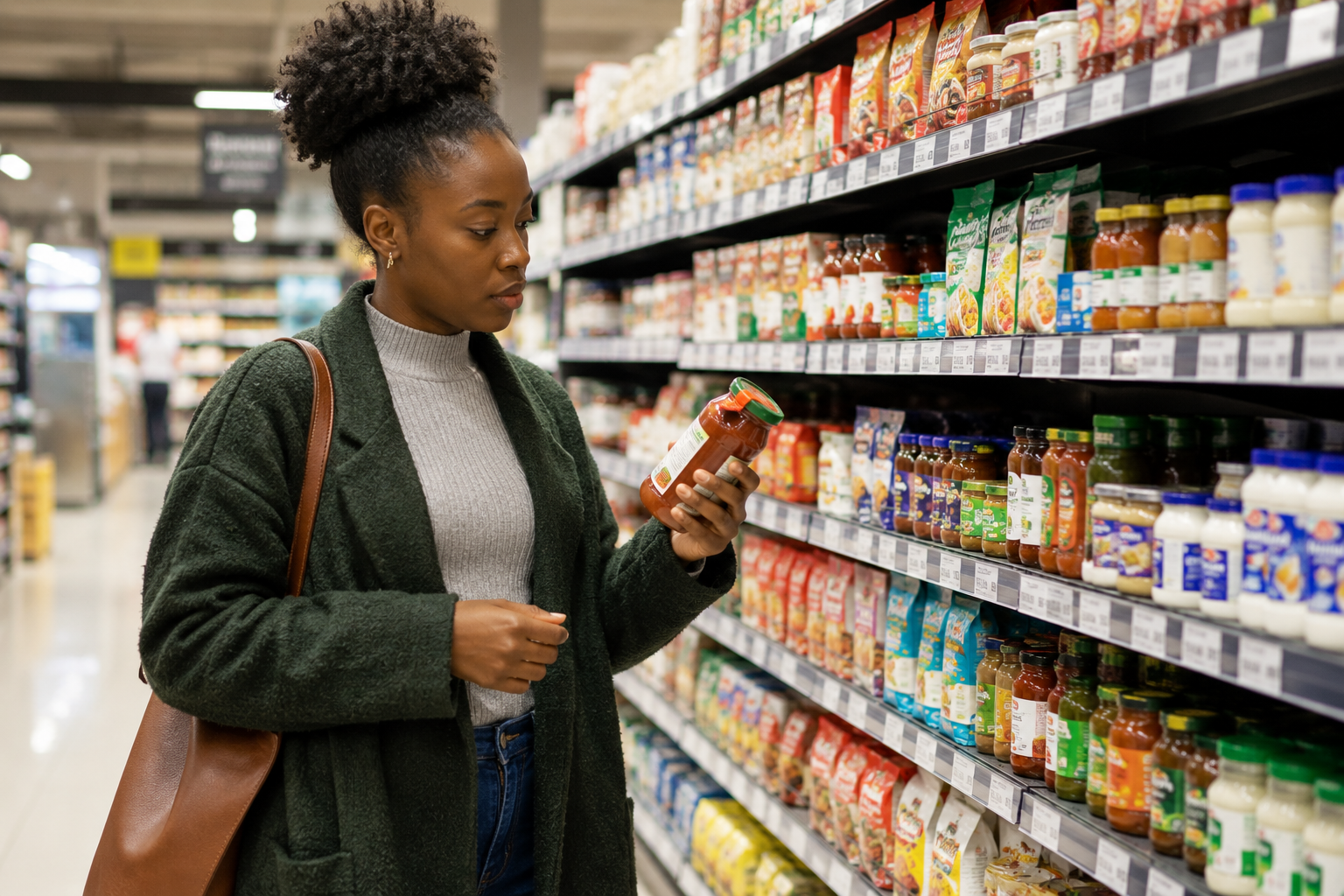

Think about the last time you walked into a supermarket. You probably picked up a few products, compared prices, glanced at a label or two and dropped your choice into the basket without giving it much thought. It all felt routine. But there was far more happening than met the eye.
For years, retailers have seen shelves as functional places to display products, show prices and execute merchandising plans. But, when you look closer the shelf is actually where the entire retail relationship comes alive.

For the buyer, the shelf is where trust is built or lost in seconds. A confusing label, an expired item or an out-of-stock favourite doesn’t just cost a single sale it chips away at confidence in the brand and the store itself. On the other hand, a shelf that’s well-stocked, clearly labelled and rich with the right information gives shoppers exactly what they’re increasingly demanding : transparency.
For a retailer, the shelf is an honest checkpoint. For instance, a customer reaching for their favorite breakfast cereal only to find an empty space. To them, it’s a disappointment. But to the business, that empty shelf is telling a much bigger story. Somewhere along the supply chain, demand may have been underestimated, stock wasn’t replenished in time or a delivery was delayed. On the other hand, a shelf that’s consistently full and well organized reflects accurate forecasting, efficient inventory management, and a supply chain working exactly as it should. The shelf isn’t just displaying products anymore. It’s communicating.
Today, shelves have the potential to become powerful digital assets for the manufacturers. They sit at the exact point where customer attention is highest, creating opportunities not only to sell products but also to inform, engage, and build lasting relationships.
Imagine picking up a product and instantly accessing richer product information, understanding its benefits, discovering recipe ideas, exploring promotions or even learning more about where it came from,all with a single scan. Suddenly the shelf is no longer just a place where products sit, it becomes an active part of the shopping experience.
That’s where Gs1 Kenya comes in. Through the adoption of 2D barcodes, products are no longer limited by the information that can fit on their packaging. A single QR code becomes a gateway to trusted, real-time information, connecting consumers and businesses to far more than just a product name and price.
A customer through one simple scan can unlock nutritional information, product ingredients, usage ideas, promotions, reviews, traceability details and even social media campaigns. Instead of relying solely on what’s printed on the label, shoppers gain instant access to more transparent information that helps them make confident purchasing decisions.
For businesses, 2D Barcodes deliver operational value across the supply chain. They can carry batch/lot numbers to support faster recalls and traceability, serial numbers that strengthen authentication and enable circular economy initiatives and expiry dates that improve inventory management through First-In, First-Out practices and dynamic pricing strategies.
2D barcodes are also strengthening consumer safety. They are helping businesses prevent the sale of expired or recalled products, improve product authentication and combat counterfeiting by linking every product to trusted, verifiable information.
In essence, the QR code is creating a direct digital bridge between brands and consumers while giving businesses the visibility they need to build safer, smarter, and more connected supply chains.
Every product has a journey. Every journey has a story. With GS1 2D barcodes, the shelf is finally bringing those stories to life.
By Enterprise Hub


