


By Enterprise Hub
Every beep at the checkout counter carries a story, and GS1 has been the quiet narrator of that tale for decades. What began as a simple barcode has evolved into a digital powerhouse, reshaping how products are identified, tracked, and trusted across the globe. In today’s retail landscape, where consumers demand transparency and regulators insist on traceability, GS1 standards have become the silent language that keeps supply chains coherent and credible.
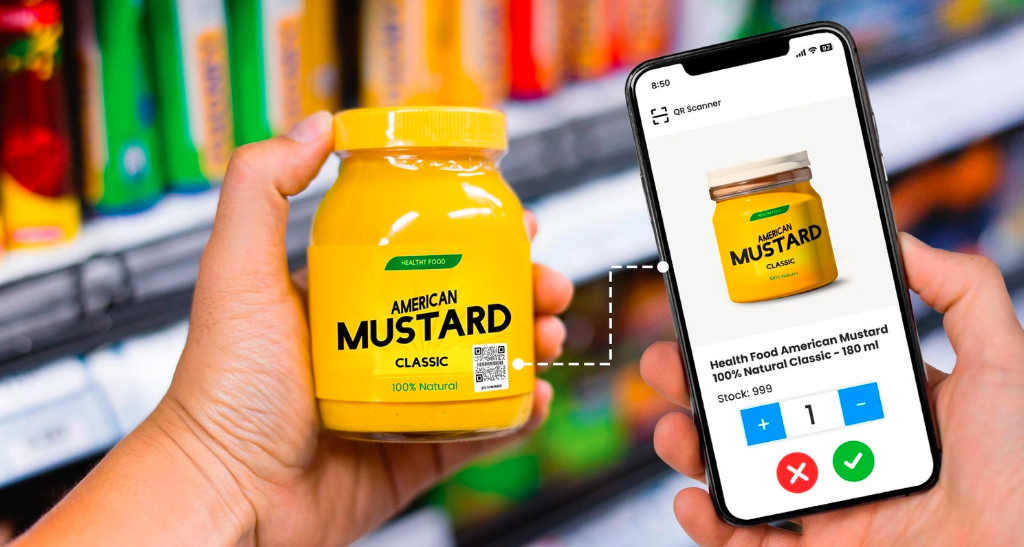
The transition from linear barcodes to 2D barcodes is at the heart of this transformation. Unlike their predecessors, these new codes can hold layers of information—batch numbers, expiry dates, sustainability attributes all accessible with a single scan. GS1 Kenya has embraced this shift, ensuring that retailers, manufacturers, and consumers benefit from harmonized product data that flows seamlessly across the supply chain. It’s not just about faster checkouts; it’s about building trust in every transaction.

That trust is exemplified by Hakikisha Bidhaa, GS1 Kenya’s National Product Catalogue. This platform allows businesses to upload and validate product information in real time, giving consumers confidence that what they buy is authentic. For retailers, it means smoother operations and compliance with regulations, while manufacturers gain a competitive edge by proving the integrity of their products. As one local retailer noted, “Our products now speak for themselves. Customers can verify authenticity instantly.”
Beyond retail shelves, GS1’s influence stretches into agriculture and apparel. Shamba ikonnet, a GS1 Kenya powered platform, links Kenyan farmers directly to buyers worldwide. By digitizing produce data, it enables buyers to trace the origin of organic crops, verify farm inputs, and even process real-time payments. This transparency strengthens trust between farmers and consumers, while ensuring fairer trade. In apparel, GS1 prepares businesses for the EU’s Digital Product Passport, giving garments a digital identity that includes traceability data and sustainability attributes meeting the growing demand for ethical fashion.
For consumers, the benefits are tangible. Transparency means knowing where a product comes from and whether it meets sustainability standards. Efficiency translates into smoother checkouts and fewer errors. Sustainability ensures that every purchase contributes to a more responsible economy. Together, these elements redefine the shopping experience, turning a simple “beep” into a gateway to information, trust, and accountability.
The barcode may have been born decades ago, but today it is reborn as a digital storyteller. GS1’s initiatives 2D barcodes, Verified by GS1, Hakikisha Bidhaa, Shamba ikonnet are no longer abstract projects. They are living solutions, actively transforming retail, agriculture, and global commerce. In the silent language of supply chains, GS1 is writing a new chapter where trust, transparency, and sustainability are not optional extras but the very foundation of modern trade.
Everyday shopping is changing in ways consumers can feel directly. What used to be a simple beep at the checkout is now becoming a gateway to information, trust, and confidence. GS1’s digital transition is not just about helping retailers and manufacturers it’s about empowering consumers to make smarter, safer, and more sustainable choices.
Imagine picking up a packet of fresh produce and scanning its 2D barcode. Instead of just confirming the price, you instantly see where it was grown, when it was harvested, and whether it meets organic standards. Platforms like Shamba Ikonnet are already making this possible in Kenya, linking farmers directly to buyers and giving consumers visibility into the journey of their food. That transparency builds trust, especially in a world where people want to know the story behind what they eat.
The same applies to everyday retail. With GS1 Kenya’s Hakikisha Bidhaa catalogue ,consumers can verify product authenticity in real time. A shopper scanning a barcode can be reassured that the product is genuine, not counterfeit. This matters for everything from medicines to household goods, where safety and reliability are paramount. As one shopper described, “I don’t just buy a product anymore, I buy peace of mind.”
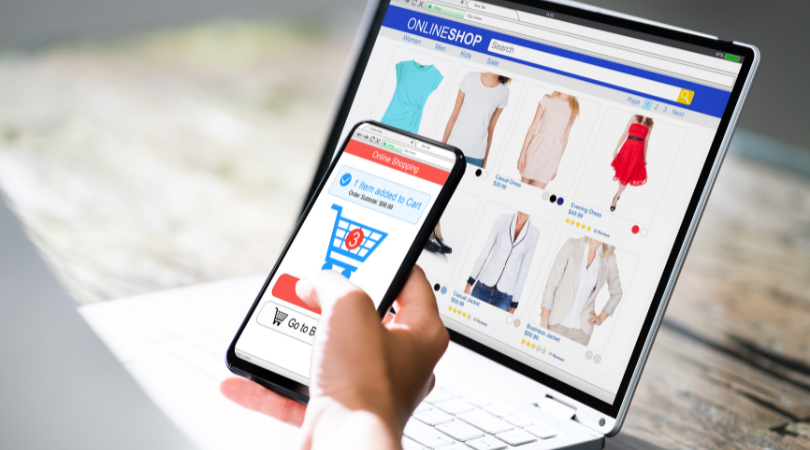
Even in fashion, GS1 is preparing consumers for a new era of transparency. The upcoming Digital Product Passport means that every garment could carry its sustainability credentials, traceability data, and ethical sourcing information. For consumers, this means choosing clothes not only for style but also for values, aligning purchases with their environmental and social priorities.
The consumer advantage is clear: smoother checkouts, fewer errors, and richer information at their fingertips. Transparency ensures they know exactly what they’re buying. Efficiency makes shopping faster and more reliable. Sustainability gives them the power to support responsible brands. GS1’s silent language of supply chains is becoming a loud voice for consumers, turning every purchase into a moment of trust and empowerment.


