



By The Tracker Media
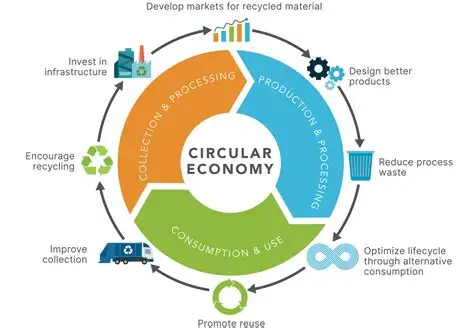
In Kenya today, caring for the environment isn’t just a nice idea it’s becoming something every business must do to stay successful. From the bustling industrial zones of Nairobi to the agricultural heartlands of Eldoret and Nakuru, companies are rethinking how they produce, package, and distribute goods. The shift toward a circular economy where products are reused, repaired, and recycled is gaining momentum. At the center of this transformation stands GS1 Kenya, part of a global network that’s quietly revolutionizing how businesses track, share, and manage information across supply chains.
GS1 standards form the invisible infrastructure that keeps modern commerce running smoothly. They enable transparency, efficiency, and accountability; three pillars essential for sustainability. By uniquely identifying products, locations, and assets, GS1 helps businesses make informed decisions that align with environmental goals.

“GS1 standards provide a foundation for efficient and transparent supply chains, enabling businesses to make informed decisions that align with sustainability goals.”
In Kenya, this means more than just barcodes on shelves. It means traceability knowing where a mango came from, how a pharmaceutical was handled, or how packaging can be reused. For example, local agribusinesses using GS1 identifiers can track produce from farm to fork, ensuring freshness and reducing waste. Manufacturers can monitor materials through production and recycling loops, supporting Kenya’s growing waste management and recycling sector.
Traceability is the lifeblood of a circular economy. By tracking items throughout their lifecycle, businesses can ensure transparency and support recycling and reverse logistics. In Kenya’s food industry, GS1 standards help companies manage expiry dates and rotate perishable goods properly reducing food waste that currently accounts for nearly a third of agricultural output losses.
Beyond food, GS1 drives packaging optimization encouraging eco-friendly designs that minimize unnecessary materials. It also supports circular product design, enabling durable, repairable, and easily trackable products that can be refurbished or recycled, extending their lifecycle and reducing environmental impact.
Sustainability thrives on collaboration. GS1’s global standards foster interoperability among businesses, enabling seamless data sharing and cooperation across industries. This collective approach minimizes inefficiencies and accelerates progress toward circular economy goals.
“By sharing accurate and standardized data, businesses can optimize resource usage and collectively work towards circular economy goals.”
In Kenya, partnerships between GS1 Kenya, government agencies, and private enterprises are already shaping this future. Initiatives like Extended Producer Responsibility (EPR) policies and plastic recycling programs are gaining traction, and GS1’s data standards can help measure and manage their success.
Watch GS1 Kenya in action: The Circular Economy: Tracing The Path To Sustainable Future (YouTube) — a documentary-style feature by Traceability TV showcasing how GS1 Kenya collaborates with organizations like the Circular Innovation Hub Kenya and grassroots changemakers such as Amusha Plastics in Mukuru kwa Njenga, turning plastic waste into opportunities
Kenya’s journey toward a sustainable economy begins with awareness and partnership. Education is key empowering both businesses and consumers with knowledge about circular practices. Collaboration among government, NGOs, and industry players can then drive collective action.
Mapping supply chains to identify waste points and opportunities for recovery is the next step. With GS1 standards using identifiers like GTINs and barcodes in businesses can track products across their lifecycle. Transparency ensures consumers have access to clear product information, empowering them to make sustainable choices.
Reverse logistics systems facilitate returns, refurbishing, and recycling, while regulatory support aligns policies with circular economy principles. Progress must be measured and GS1’s data-driven approach provides the metrics to track impact, ensuring Kenya’s circular economy evolves with accountability and purpose.

As Kenya embraces digital transformation, GS1 Kenya offers a roadmap for sustainable growth. By embedding these standards into everyday business operations, companies can reduce environmental impact, enhance consumer trust, and contribute to national economic resilience.
“GS1 is not just a system of codes it’s a catalyst for sustainable innovation.”
Kenya’s circular economy is not a distant dream it’s unfolding now. With GS1 Kenya leading the charge, the country can build supply chains that are not only efficient but also ethical, transparent, and regenerative.


