


By Tech Nova
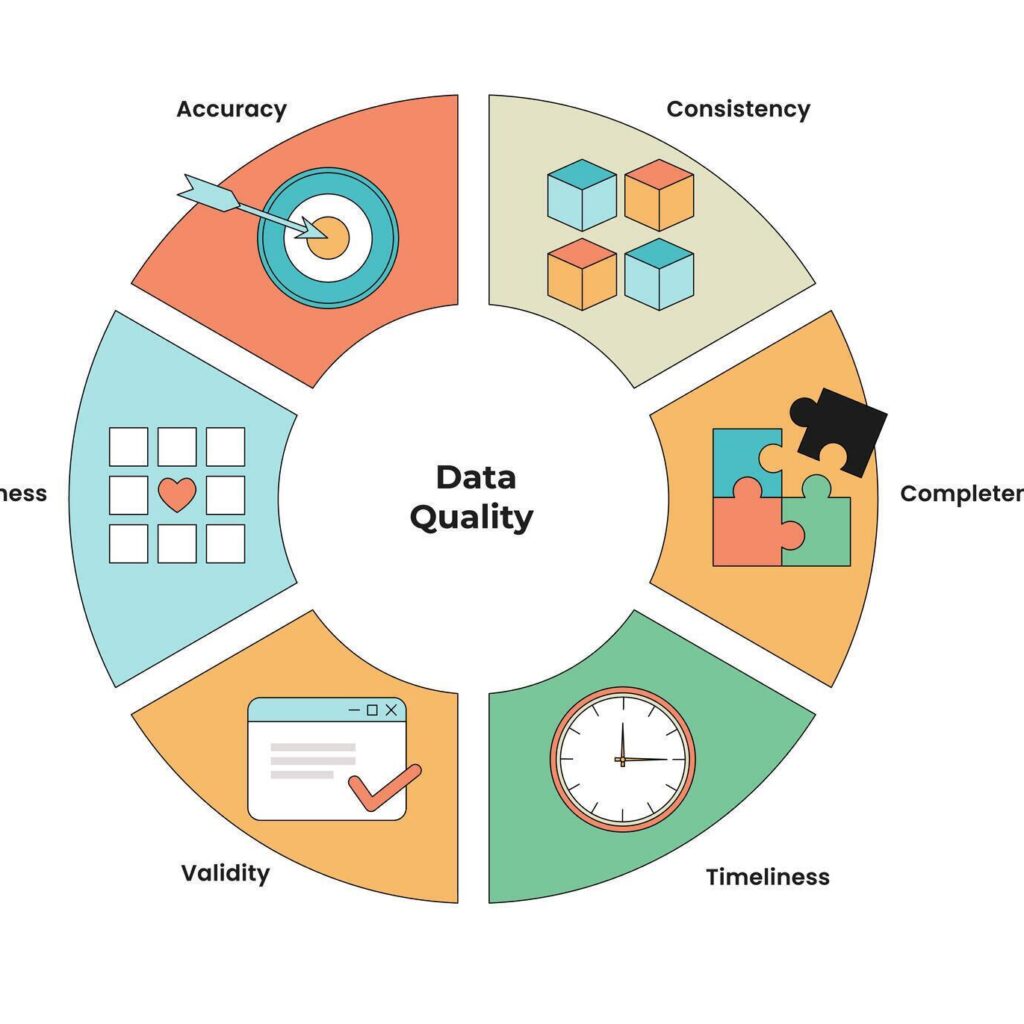
Imagine trying to run a marathon with one shoe missing. That’s what happens when data lacks quality. For information to truly serve its purpose, it must be complete, consistent, accurate, time-stamped, and standards-based. Miss one of these five elements, and the chain of trust breaks. Good data isn’t just numbers in a system it’s the foundation of reliable decisions.
Data Quality vs. Data Accuracy
Think of data quality as a five-star meal: it needs all the right ingredients. Accuracy is just one of those ingredients it ensures the description of a product matches reality. But without consistency, completeness, and the rest, accuracy alone won’t satisfy. Quality is the whole recipe; accuracy is just the spice.

Why Verification Matters
Picture yourself at the supermarket checkout. You scan a product, but the barcode refuses to read. The line slows, frustration builds, and trust in the system takes a hit. A barcode that doesn’t scan isn’t just inconvenient, it can disrupt the entire supply chain.
That’s where verification comes in. It’s the behind‑the‑scenes check that ensures every symbol does its job. Verification doesn’t just test whether a barcode works; it gives producers valuable feedback to improve their printing process and predicts how well the barcode will perform once it’s out in the real world. In short, it’s the quality control step that keeps data flowing smoothly from factory floor to customer checkout.
Verification Isn’t the Only Tool
The reality is verification happens after a symbol is produced. It cannot fix a faulty barcode that has already been printed. Smart producers don’t wait until the end. They use printability testing and Bar Gain Gauges to prevent problems before they occur. Think of it as rehearsing before the big show.
Verifier vs. Scanner
A verifier is like a scientist: precise, calibrated, and focused on measurement. A scanner, on the other hand, is the everyday worker. It simply decodes the bars into data. One analyzes performance; the other just reads. Both are essential, but they play very different roles.
Who Needs Verification?
From printers to brand owners, from supply chain handlers to retailers, anyone relying on barcodes benefits from verification. It’s not just about compliance; it’s about confidence. The brand owner ensures customers won’t face scanning headaches. The receiver avoids inventory chaos. And the printer keeps production sharp. Verification is the silent guardian of smooth operations.
The Benefits
At its heart, verification delivers reassurance. It builds trust between suppliers and customers, ensuring barcodes perform as intended. For producers, it’s a feedback loop to improve processes. For designers, it’s a safeguard against poor placement or color choices. And for receivers, it’s peace of mind that incoming goods won’t jam their systems. In short, verification keeps the supply chain flowing without drama.
Barcodes may look simple, but they carry the weight of trust across the entire supply chain. When they fail, relationships between suppliers, retailers, and customers can suffer. Verification steps in as the quiet hero, providing confidence that every symbol will scan, every product will move smoothly, and every transaction will stay seamless.
Good data and reliable barcodes are not just technical details. They are the backbone of modern commerce. By combining accuracy, consistency, and proactive verification, businesses ensure that the invisible language of barcodes continues to speak clearly at every stage from factory floor to checkout counter.


