


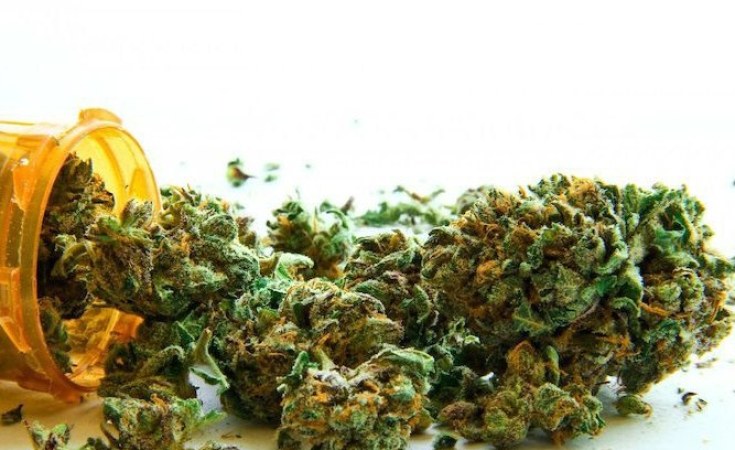

For years, marijuana has carried a reputation as a harmless escape, a natural way to relax, ease pain, or spark creativity. But marijuana use is no longer just a Western debate. Even here in Kenya, despite its illegality, the drug is widely used among young people and adults alike. It is often portrayed as harmless, sometimes even as a natural remedy for stress or anxiety.
In reality, marijuana use in Kenya is rising at an alarming rate. According to the National Authority for the Campaign Against Alcohol and Drug Abuse (NACADA), cannabis use has increased by nearly 90% in the last five years. Nairobi records the highest prevalence at 6.3%, followed by Nyanza and the Coast regions. Nationally, one in every 53 Kenyans aged 15–65 about 518,807 people currently use cannabis. Nearly half of them are addicted.
Behind these numbers are human stories. In Nairobi’s informal settlements, marijuana is sold cheaply and consumed by teenagers as young as 14. In Kisumu, boda boda riders admit to using it to stay alert, only to struggle later with memory lapses and aggression. Along the Coast, cannabis use is intertwined with tourism and nightlife, making it easily accessible to young adults despite its illegality.

New scientific findings, including research by Dr. Daniel G. Amen, show that marijuana’s effects on the brain are far more dangerous than many realize. Amen, a psychiatrist and brain imaging specialist, has been challenging the “harmless” narrative with sobering evidence. His review of recent studies paints a very different picture of cannabis and its impact on the human brain.
In one of the largest imaging studies of marijuana users, Amen’s team found that every region of the brain showed reduced blood flow compared to non-users. His research, published in the Journal of Alzheimer’s Disease, examined brain imaging from 1,000 cannabis users compared to over 25,000 non-users and 100 healthy controls. The results were striking: marijuana users consistently showed lower cerebral blood flow, particularly in the hippocampus — the brain’s memory center, and the same region devastated in Alzheimer’s disease.
“Marijuana can have significant negative effects on brain function. The media has given a general impression that marijuana is a safe recreational drug, but this research directly challenges that notion.” — Dr. Daniel Amen
Other studies reinforce these findings. PET imaging has revealed that heavy marijuana use alters dopamine release in the striatum, a region tied to working memory, impulsivity, and attention. The pattern resembles what is seen in cocaine and heroin addiction. Structural changes in the hippocampus have also been documented in chronic users, persisting even after six months of abstinence. These changes suggest long-term, possibly irreversible, damage.
The human side of this story is hard to ignore. Imagine a teenager experimenting with marijuana, believing it’s just a rite of passage. What they don’t see is how cannabis interferes with the cerebellum, a part of the brain critical for coordination and emotional regulation. Years later, that same teenager may struggle with anxiety, depression, or even psychosis in early adulthood. Amen’s review highlights that heavy marijuana use, especially in genetically vulnerable individuals, can increase the risk of psychosis by up to 700%. Even without genetic predisposition, the risk doubles or quadruples.
And the dangers don’t stop at the brain. His clinic’s findings also point to serious cardiovascular risks: marijuana users under 50 face six times the risk of heart attack, four times the risk of ischemic stroke, and double the risk of heart failure compared to non-users. These are not abstract statistics they represent real lives cut short or forever altered.
Marijuana is often marketed as a safe, natural solution. But the science tells us otherwise. It’s not just about brain scans or medical jargon; it’s about the young person who loses their spark, the parent who faces unexpected health crises, the community that grapples with rising mental health challenges.
This is not a call for fear, but for awareness. The conversation around marijuana must evolve beyond casual acceptance to a deeper understanding of its risks.
Now I invite you to join the conversation. Have you or someone close to you in Kenya experienced changes in memory, motivation, or mental health after using marijuana? Do you believe the risks outweigh the benefits, or do you see it differently? Please share your thoughts, reactions, or personal stories — your perspective adds depth to this critical discussion.
For those who want to explore Dr. Amen’s findings further, you can read the full article here: Amen Clinics – Marijuana Affects Blood Flow in the Brain
Article compiled by Dr.Amina Wells


