



On a hot afternoon in Nairobi, James, a site supervisor, stood frustrated at the edge of a half-built housing project. A shipment of steel beams had arrived late, and worse still, the paperwork didn’t match the actual delivery. Workers were idle, deadlines were slipping, and costs were rising. For James, this wasn’t just about numbers — it was about families waiting for homes, investors demanding accountability, and his own reputation on the line.
This everyday struggle in Kenya’s construction sites highlights a bigger issue: traceability and supply chain management. Without clear systems to track materials from supplier to site, projects risk delays, losses, and compliance failures. But what if there was a way to ensure every brick, beam, and bolt was accounted for — in real time?

Kenya’s construction industry is booming — from expressways to housing projects — yet efficiency and transparency remain major challenges. As the sector grows, traceability and compliance are becoming essential for sustainability and competitiveness. Denmark’s experience with GS1 standards in automating hospital supply chains offers valuable lessons for Kenya’s builders and developers.

Zealand University Hospital in Denmark — a pioneer in automated supply chain systems using GS1 standards
Denmark’s Zealand University Hospital, opened in 2025, is a model of supply chain automation. The hospital uses GS1 standards — including the Global Returnable Asset Identifier (GRAI) and Serial Shipping Container Code (SSCC) — to track every item from supplier to ward. With 35 autonomous mobile robots and over 3,000 trollies, the system ensures that medical devices and pharmaceuticals reach the right place at the right time. The hospital’s transport management system communicates seamlessly with physical transport systems using GS1 Electronic Product Code Information Services (EPCIS), enabling real-time visibility and compliance.
Kenya’s Construction Sector: The Next Frontier

Kenya’s construction industry can adopt similar principles to manage complex supply chains. Projects often involve multiple suppliers, contractors, and logistics providers — making traceability vital for quality assurance and cost control. By implementing GS1 standards, Kenyan firms can achieve:
- Material traceability — tagging and tracking materials from factory to site.
- Compliance assurance — ensuring adherence to safety and quality standards.
- Supply chain transparency — reducing losses and improving accountability.
- Digital integration — linking procurement, logistics, and project management systems.

Bridging Denmark’s Experience with Kenya’s Vision
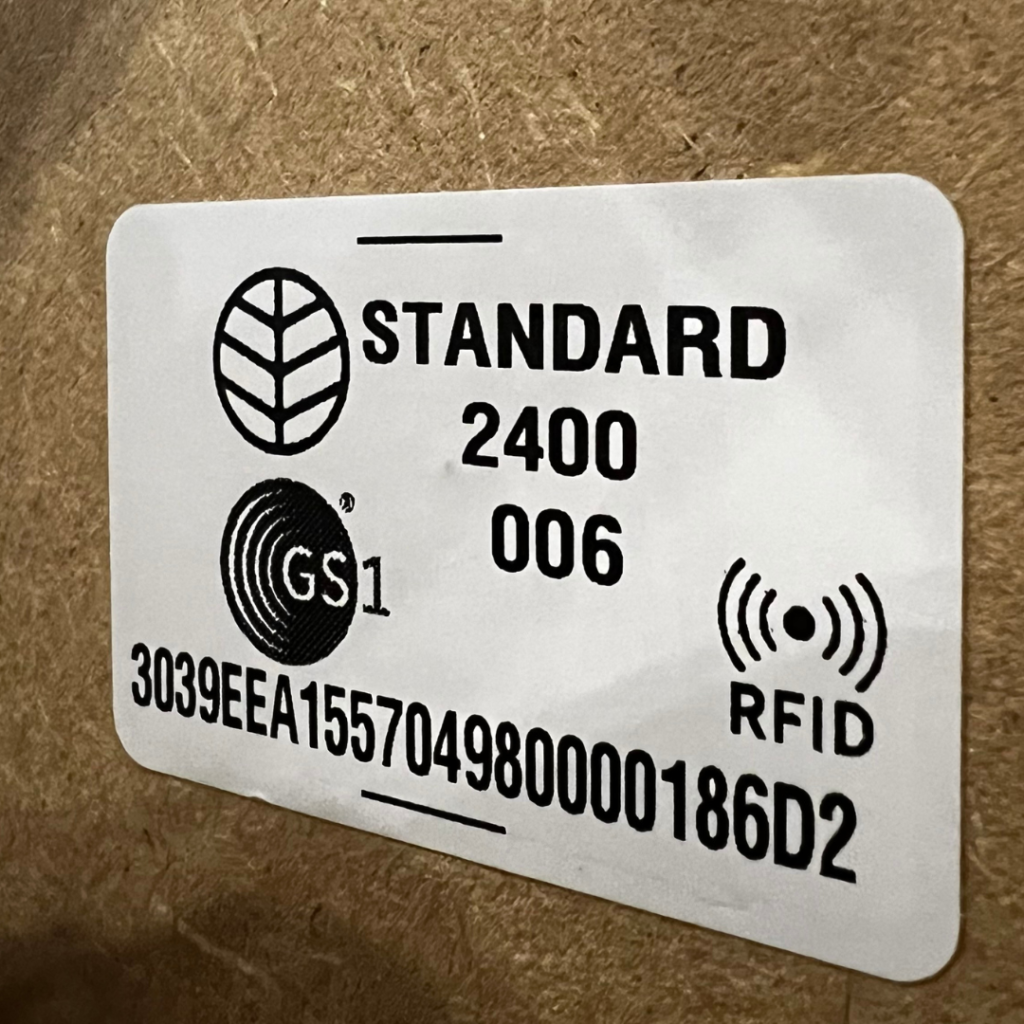
Kenya can emulate Denmark’s Region Zealand approach by merging automation with standardized data systems. In construction, this could mean:
- Using GS1 barcodes and RFID tags to track materials and equipment.
- Integrating transport management systems to coordinate deliveries.
- Applying EPCIS data sharing to connect all stakeholders — from suppliers to regulators — in one transparent network.
Such integration would not only enhance efficiency but also support Kenya’s goals of sustainability, accountability, and global competitiveness.
Denmark’s success proves that automation and traceability are achievable and transformative. For Kenya, adopting GS1 standards in construction can usher in a new era of smart building — where every brick, beam, and bolt is accounted for. As Kenya continues to build its cities and infrastructure, embracing global standards will ensure the sector grows with trust, compliance, and competitiveness at its core.
To learn more about Denmark’s pioneering project, see the story on Creating IT architecture for supply chain automation in hospitals in the GS1 Healthcare Reference Book 2022–2023 – https://bit.ly/4u2AxYG
Article compiled by Smart Construction


