


Agriculture is changing fast. Around the world, farmers and agribusinesses are embracing digital tools to prove the origin, safety, and sustainability of their produce. In Kenya, GS1 Kenya’s Shamba ikoNET platform is leading this transformation. And in Australia, citrus growers have shown how next‑generation barcodes can connect orchards to consumers across Asia. Together, these stories highlight a global movement toward transparency and farmer empowerment.
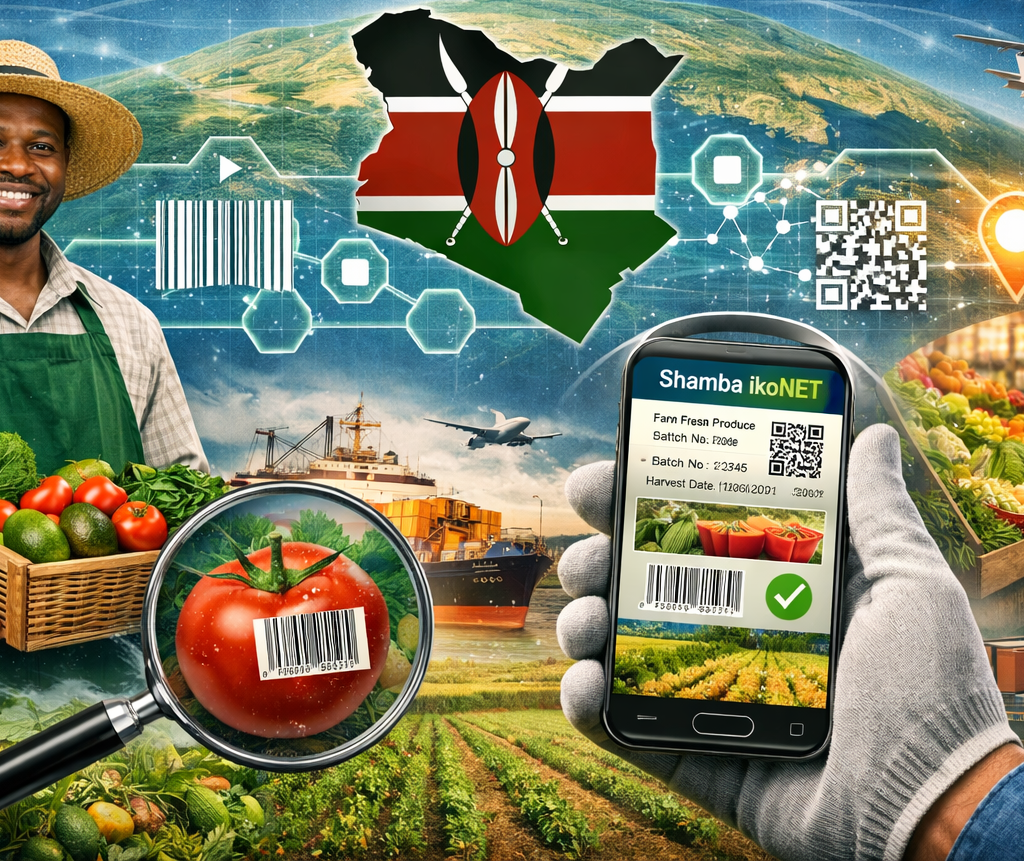
On a farm in Kiambu, a Kenyan flower grower scans a QR code to record the journey of her roses. Thousands of kilometers away, in Mildura, Australia, citrus fruit is packed with unique QR codes that allow consumers in China and Vietnam to verify authenticity and learn about the orchard where the fruit was grown. Both farmers are part of a worldwide shift: using GS1 standards to make food traceable from farm to fork.
Shamba ikoNET was designed to give Kenyan farmers ownership of their data, visibility into their supply chains, and access to premium markets. By digitizing every stage—from land preparation to cold storage—it empowers farmers to prove origin, meet regulatory requirements, and build trust with consumers. QR codes on final products even allow customers to leave feedback, creating a loop of continuous improvement.

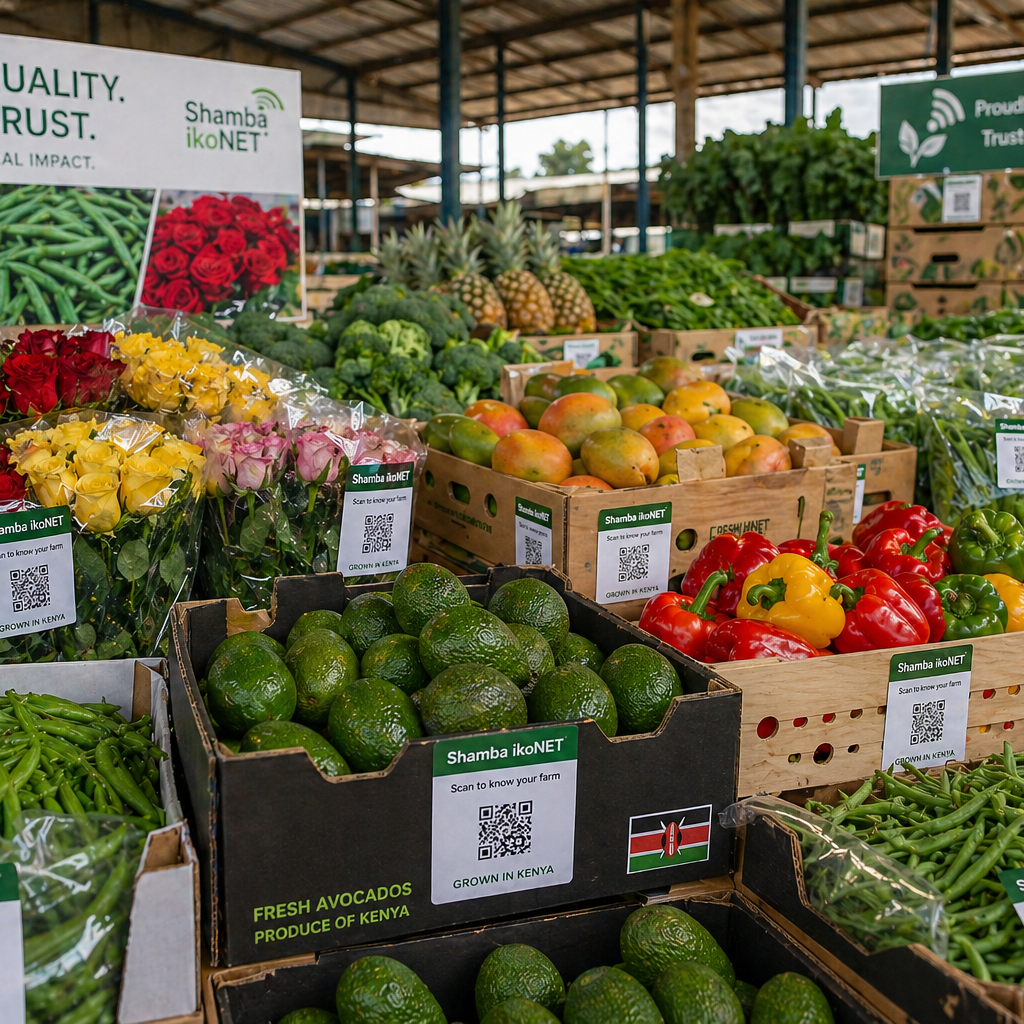
Shamba ikoNET was designed to give Kenyan farmers ownership of their data, visibility into their supply chains, and access to premium markets. By digitizing every stage—from land preparation to cold storage—it empowers farmers to prove origin, meet regulatory requirements, and build trust with consumers. QR codes on final products even allow customers to leave feedback, creating a loop of continuous improvement.
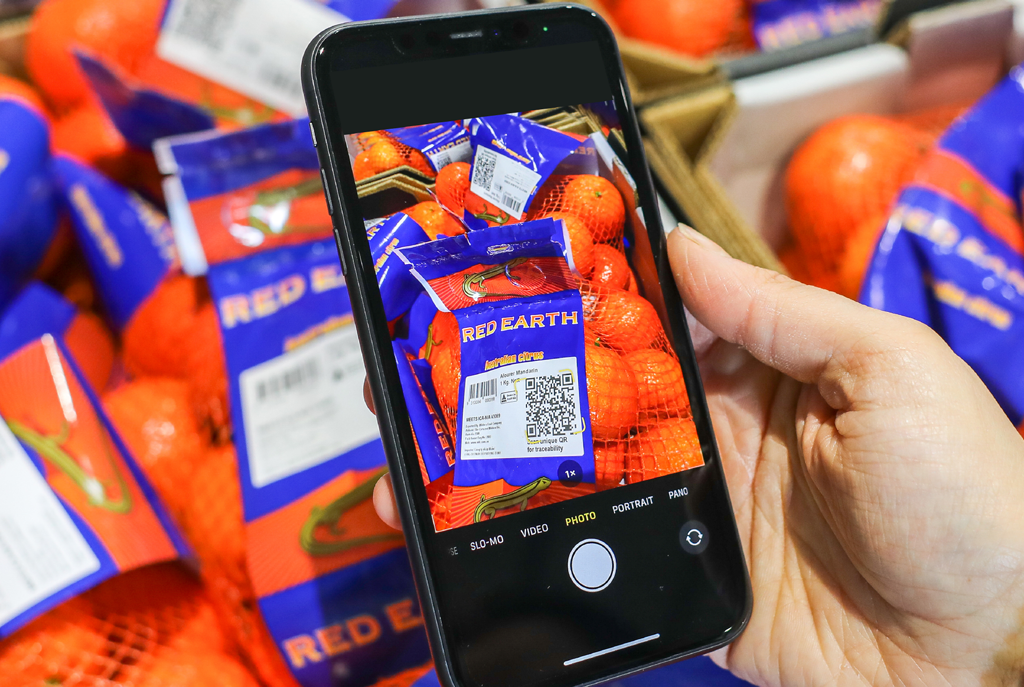
In Australia, the Mildura Fruit Company partnered with Citrus Australia and Agriculture Victoria to pilot end‑to‑end traceability using GS1 Digital Link and 2D barcodes. Over half a million QR labels were affixed to citrus bags and cartons bound for Asia. Consumers scanning the codes were directed to microsites with authentication statements, product details, and even storage instructions. The project reduced risks of food fraud, strengthened brand confidence, and provided valuable consumer insights.
The parallels are striking. Both Shamba ikoNET and the Australian citrus project show that traceability is not just about compliance—it is about empowerment. Farmers gain proof of origin, exporters secure market access, and consumers enjoy transparency and trust. The lessons from Australia—start small, define scope clearly, leverage logistics partners, and use GS1 standards—are equally relevant for Kenya’s agribusiness sector.
Looking ahead, Shamba ikoNET envisions thousands of Kenyan farms adopting digital traceability, with produce carrying QR codes that international buyers can scan to see exactly where and how it was grown. The Australian citrus case study demonstrates that this vision is achievable, and that global standards provide the common language to make it work across borders.
At GS1 Kenya, we believe transparency builds trust — and trust drives trade. Our Shamba ikoNET platform is transforming how fresh food moves from farms to markets by giving every product a unique, standards-based identity. This digital traceability ensures that Kenyan produce meets global safety and quality expectations while empowering farmers to access new markets and earn fair value for their work.
By connecting growers, packhouses, and exporters through shared data, Shamba ikoNET strengthens Kenya’s position as a leader in sustainable agribusiness. It’s more than technology — it’s a movement toward accountability, resilience, and farmer empowerment.
This article draws on the case study “Citrus Fruit Traceability in a Snap” originally published by GS1 Australia, in collaboration with Citrus Australia, Agriculture Victoria, and Mildura Fruit Company –
This article draws on the case study Citrus Fruit Traceability in a Snap, originally published by GS1 Australia in collaboration with Citrus Australia, Agriculture Victoria, and Mildura Fruit Company. You can read the full case study here: https://bit.ly/4sM9cs3
Article compiled by Mkulima Harvest


