

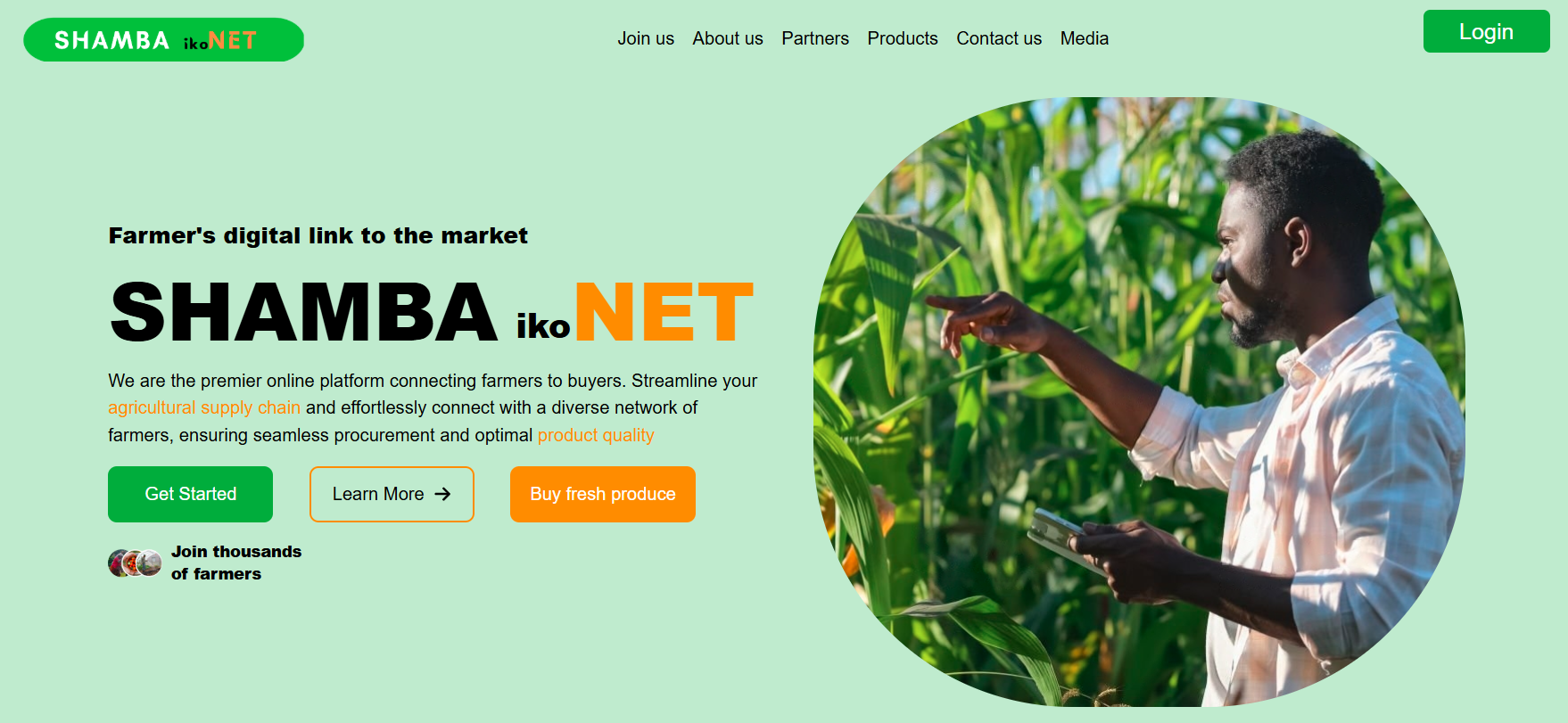

Agriculture is the backbone of Kenya’s economy, yet farmers have long struggled to prove the origin and safety of their produce in a world that increasingly demands transparency. Enter Shamba ikoNET, a digital platform by GS1 Kenya that is rewriting the story of agribusiness. By making every farm traceable from seed to shelf, it is not only opening doors to global markets but also giving farmers the power to own their data, connect directly with consumers, and build trust in the food we eat.
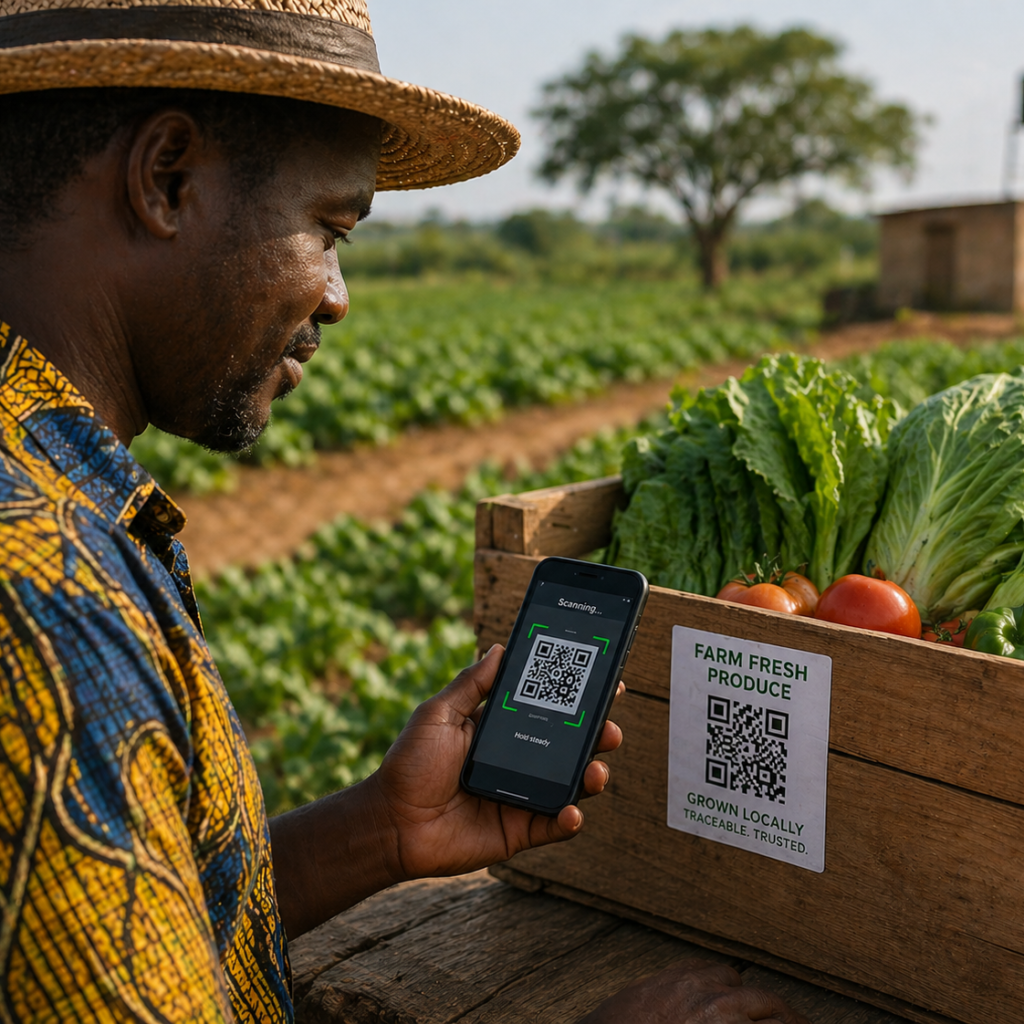
On a crisp morning in Kisaju, a farmer bends over a bed of roses, scanning a small QR code attached to a bunch of freshly cut stems. What looks like a simple gesture is part of a quiet revolution sweeping across Kenya’s agricultural landscape. That revolution is called Shamba ikoNET, a digital platform developed by GS1 Kenya to make every farm traceable from seed to shelf.
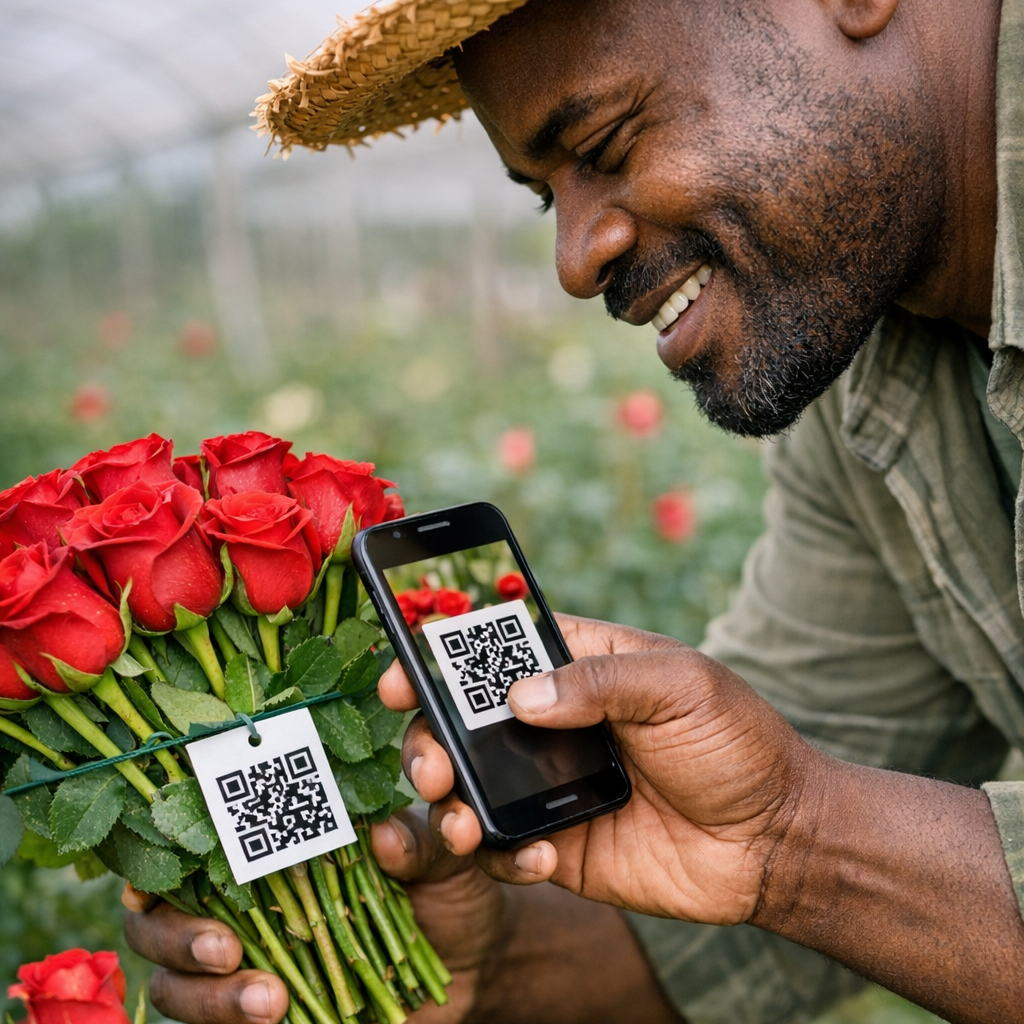
For years, farmers have been asked to prove the origin and safety of their produce, often with nothing more than paper records and trust. Shamba ikoNET changes that. By capturing data at every stage of the agricultural cycle—land preparation, planting, harvesting, cold storage, and packaging—it ensures that every tomato, mango, or flower can be traced back to its source. The promise is profound: farmers gain proof of origin and access to premium markets, while consumers enjoy confidence in food safety and transparency in handling. The platform is designed with farmers in mind. It gives them ownership of their data, visibility into the journey of their produce, and direct feedback from customers who scan QR codes on final products.

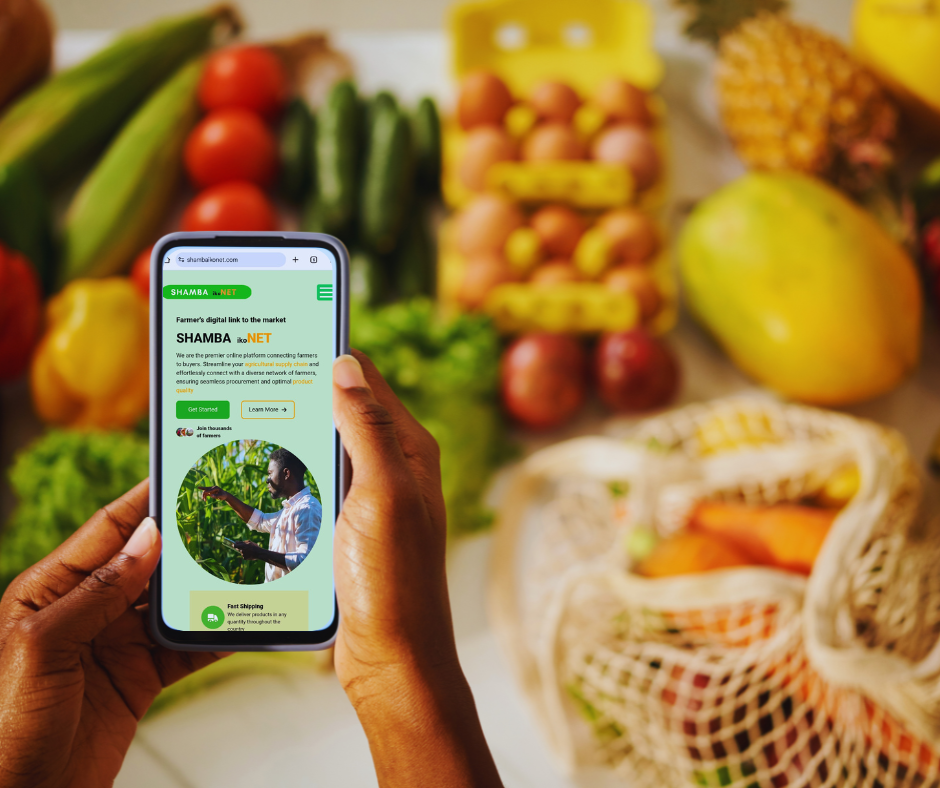
For many, this feedback loop has become a powerful tool for improvement, allowing them to adjust practices based on real consumer experiences. It is empowerment through information, delivered in real time.
Of course, adopting digital systems is not without challenges. Technology costs, low digital literacy, and fears of losing control over data have long stood in the way. Shamba ikoNET addresses these concerns with affordable QR-based systems, simple scan-to-input tools, and assurances that farmers retain full control of their records. The benefits are immediate: real-time monitoring, proof of origin, and customer reviews that demonstrate value from day one.
The floriculture sector offers a striking success story. From grafting budwood to greenhouse planting, cold storage, and export, every step of flower production has been digitized through Shamba ikoNET. The impact has been measurable—reduced post-harvest losses, faster order processing, and direct customer feedback captured through QR codes on shipments. For exporters, this means smoother compliance with international standards; for farmers, it means stronger trust and higher prices.
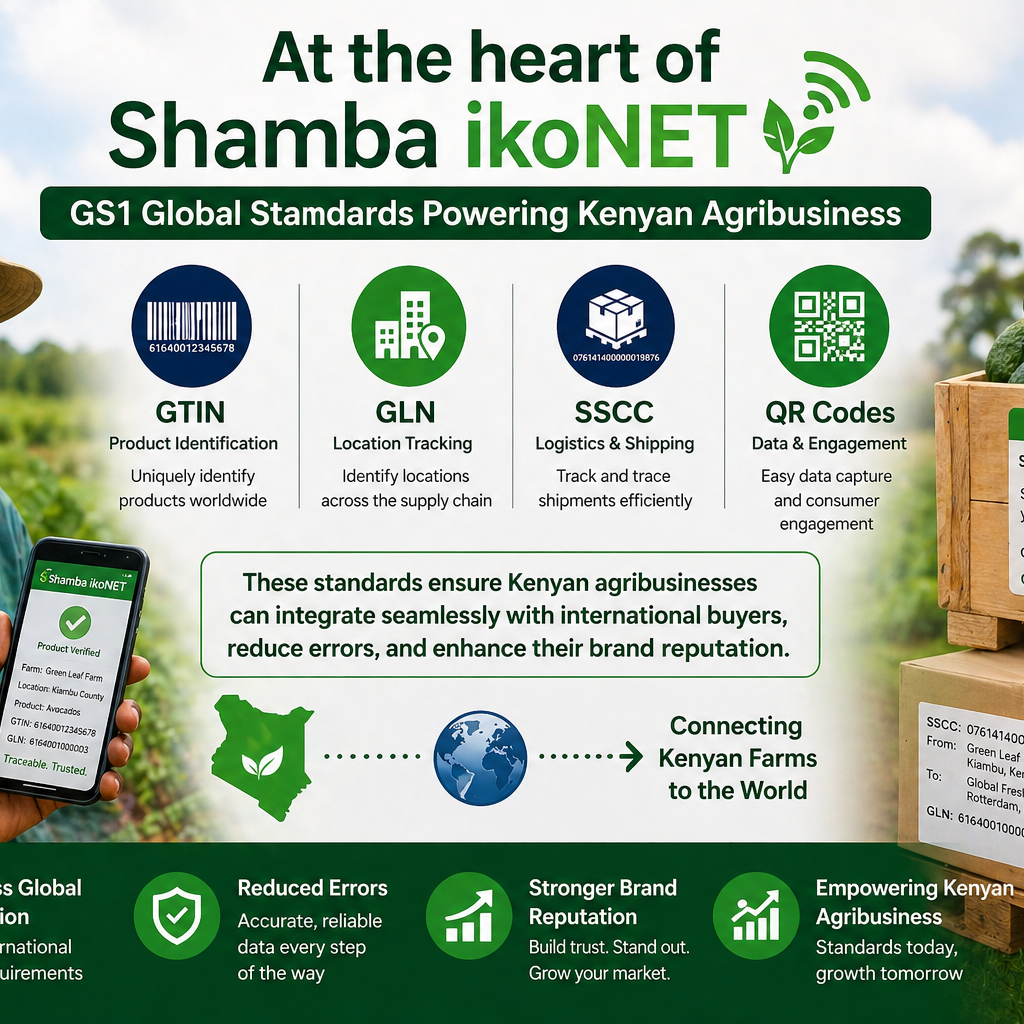
At the heart of Shamba ikoNET are GS1’s global standards: GTIN for product identification, GLN for location tracking, SSCC for logistics, and QR codes for easy data input and consumer engagement. These standards ensure Kenyan agribusinesses can integrate seamlessly with international buyers, reduce errors, and enhance their brand reputation.
But GS1 Kenya knows that technology alone cannot transform agriculture. Partnerships are essential. Farmers provide the land and labor, breeders supply rootstock, exporters carry traceability forward to global markets, and development partners support training and awareness campaigns. Together, they turn Shamba ikoNET from a tool into a movement.
Looking ahead, the vision is bold. In five years, GS1 Kenya imagines thousands of farms using Shamba ikoNET, Kenyan produce carrying QR codes that international consumers can scan to see exactly where and how it was grown, and farmers earning premium prices by proving sustainability claims. Reduced food waste, stronger trust with global markets, and a transparent agricultural system are all part of the future being built.
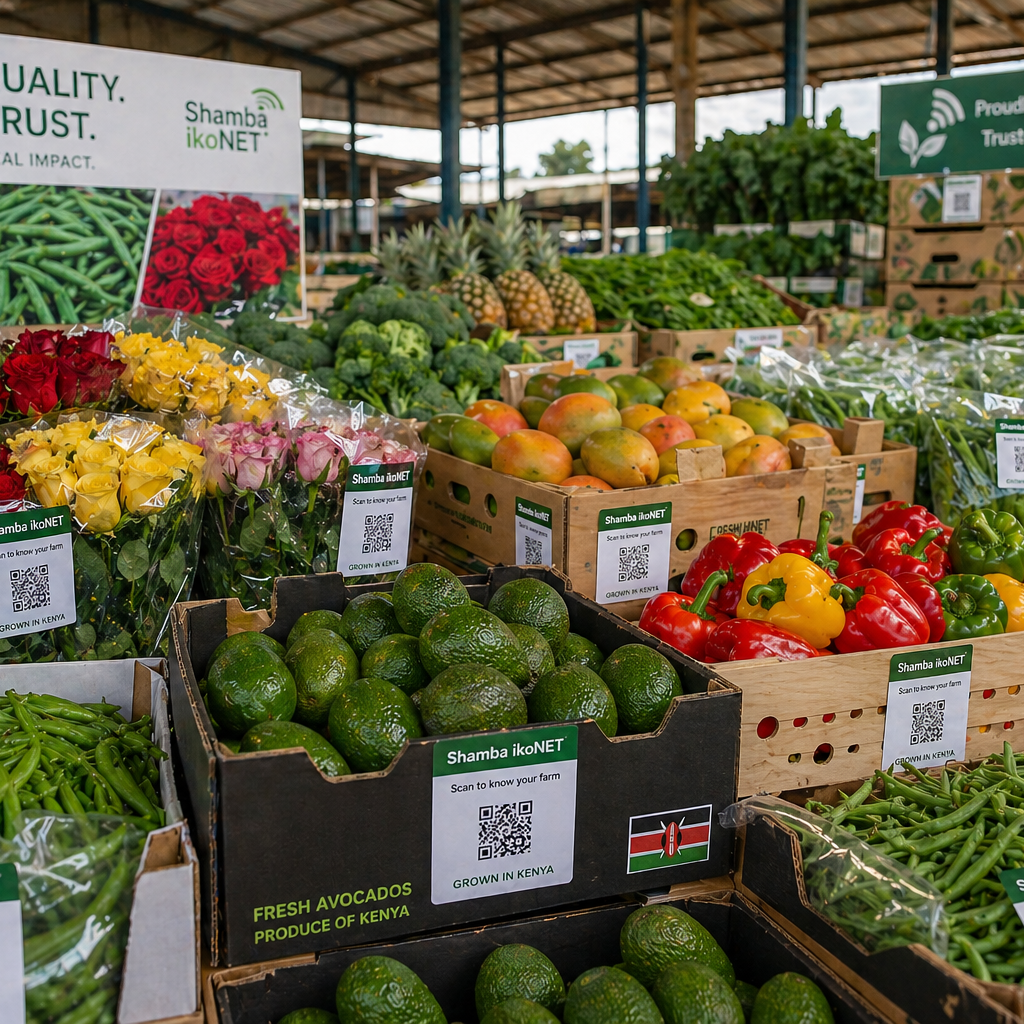
Shamba ikoNET is more than a platform—it is a story of transformation. It is the story of Kenyan farmers stepping into the digital age, of consumers gaining confidence in what they eat, and of a nation positioning itself as a leader in sustainable agriculture. And it all begins with a simple scan of a QR code in a farmer’s hand.
Article by Mkulima Harvest


