


In recent years, online marketplaces have been rapidly gaining ground across Africa, transforming the way consumers shop and boldly challenging the traditional brick-and-mortar retail model. Driven by booming internet penetration, widespread smartphone usage, and steadily improving logistics infrastructure, e-commerce platforms have brought a vast array of products and services right to our fingertips.
One of the greatest advantages of this digital shift is pure convenience. With just a few taps on a screen, a shopper can browse through multiple stores, compare prices, read product reviews, and make a purchase from the comfort of their home or office. This 24/7 accessibility completely eliminates the limitations of physical store hours and geographical boundaries, vastly expanding options for the modern consumer. Combined with increasingly efficient door-to-door delivery networks, online platforms offer a speed and flexibility that traditional retail simply cannot match.
Yet, physical brick-and-mortar stores are far from dead. They still play a massive, vibrant role in Africa’s retail landscape. Many consumers inherently prefer to see, touch, and test products before parting with their money. Offline stores also offer something e-commerce cannot compete with: immediate gratification. You pay for your item and walk out with it instantly, without waiting for a delivery rider.

Because of this, the rise of digital marketplaces does not necessarily spell doom for traditional shops. Instead, it forces them to adapt and evolve. To remain competitive, physical retailers are increasingly adopting omnichannel strategies integrating their offline and online operations so customers can enjoy a seamless experience across both worlds. By leaning into their unique strengths, such as personalized in-store customer service, tactile product experiences, and instant availability, traditional retailers can beautifully differentiate themselves from purely digital rivals.
The future of African retail isn’t an “either-or” scenario; it is a balance between the online and offline worlds. However, as the digital side of this balance grows, it faces a massive hurdle that threatens to derail consumer confidence: the absolute necessity for accurate product data.
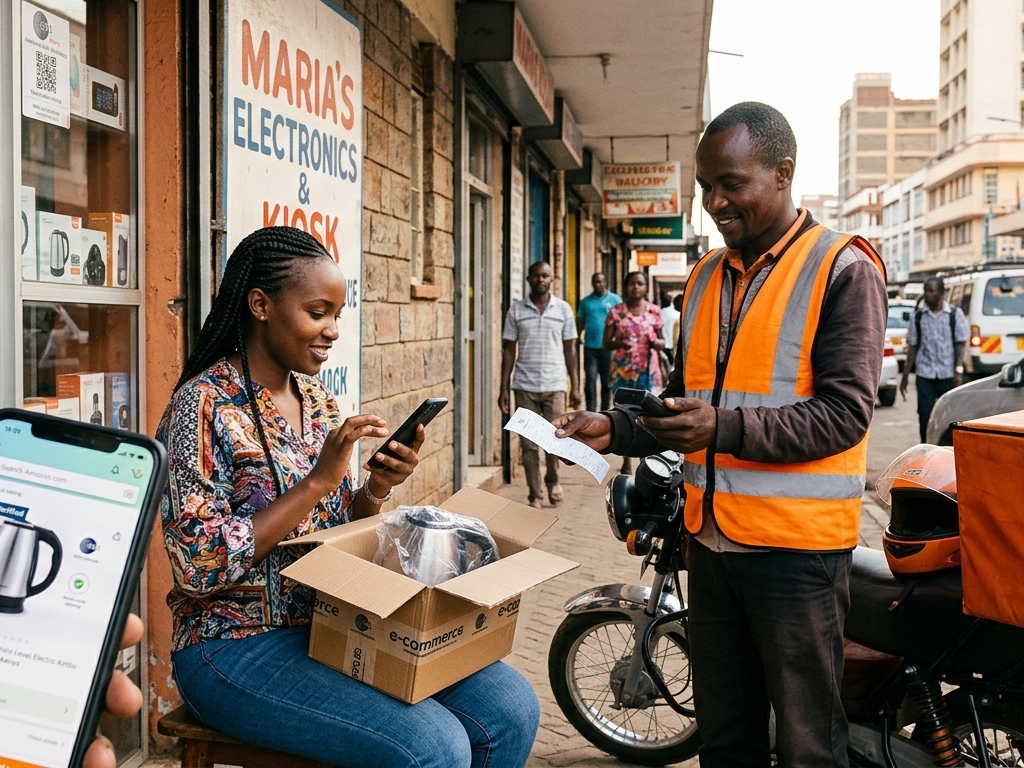
Imagine scrolling through one of these booming online marketplaces, spotting a great deal on a 2-liter stainless steel cordless electric kettle, and hitting “buy.” But when the delivery rider arrives, you open the box only to find a cheap, unbranded plastic model that looks nothing like the photo. Or think about ordering a specific charcoal serum for your skincare routine, only to receive a bottle with a sketchy, peeling label and no listed ingredients.
When shoppers cannot physically hold a product, they rely entirely on digital information. If that information is inaccurate, confusing, or misleading, trust disappears. To protect consumers and ensure a seamless shopping experience, online platforms are turning to a global cornerstone of retail supply chains: GS1 standards.
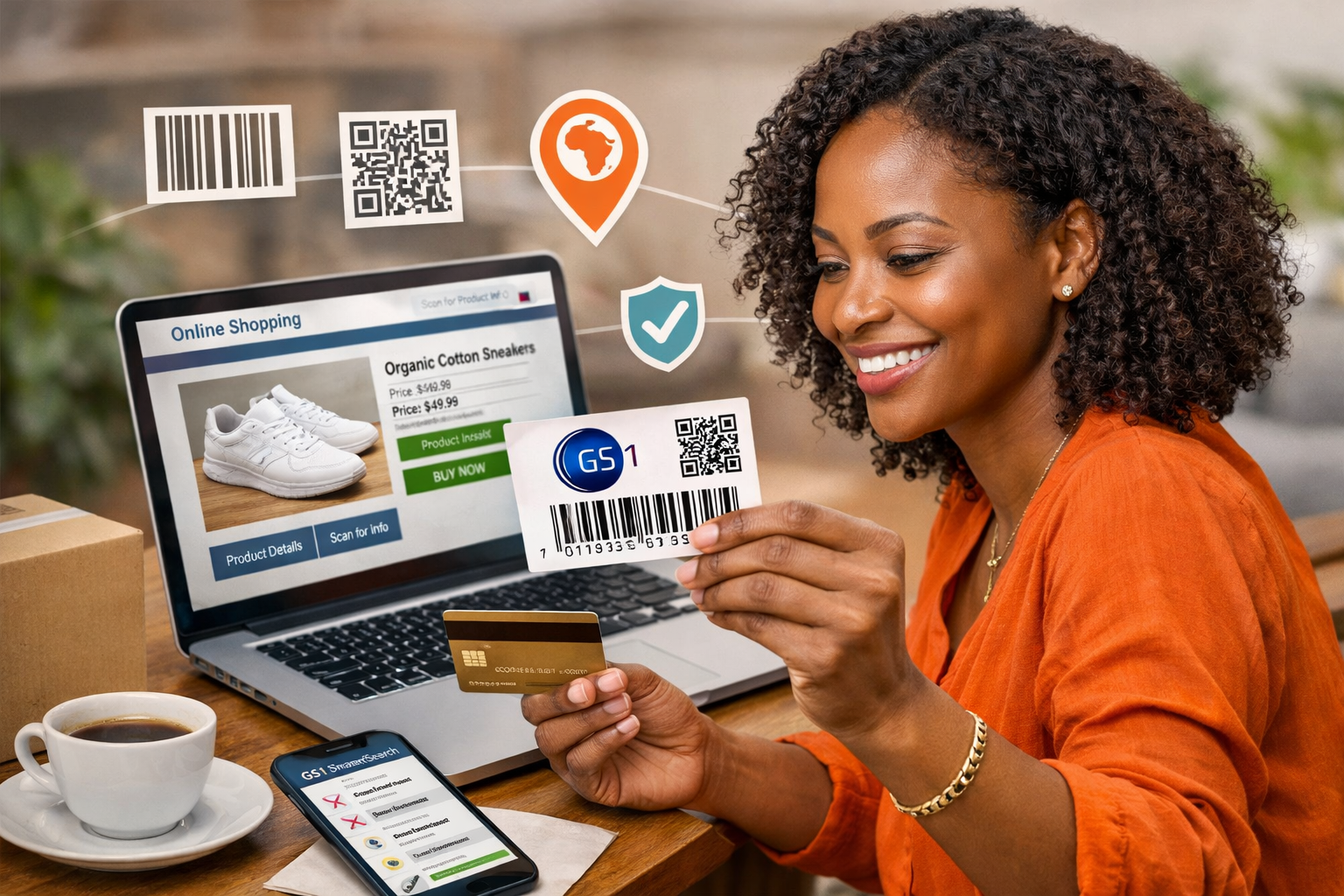
At the heart of this system is the Global Trade Item Number, commonly known as a GTIN. These are the unique numbers printed directly beneath the familiar black-and-white barcodes found on physical products. A GTIN acts like a digital passport or a unique fingerprint for an item. No two products in the world share the exact same number. When an e-commerce platform requires its vendors to use legitimate GS1 barcode numbers, it creates an unbreakable link between the online listing and the actual physical item sitting in a warehouse.
Accurate product descriptions, exact dimensions, clear ingredient lists, and authentic certifications do more than just make a webpage look professional; they give a consumer the confidence to complete an M-Pesa transaction. Without standardized tracking, a digital marketplace quickly slips into chaos. Buyers struggle to distinguish authentic global brands from dangerous counterfeits, and comparing prices or specifications across different third-party sellers becomes an impossible task.
To bring order to this space, many progressive online platforms are implementing centralized product databases that integrate directly with global product registries. This allows the marketplace to automatically verify a seller’s item against official manufacturer records the moment it is listed. If a rogue vendor tries to register a generic smartphone accessory using a fake barcode number, or one belonging to an established electronics brand, the system flags and blocks it immediately.
This approach changes the entire retail experience. Platforms can easily weed out counterfeit listings before they ever reach a customer’s screen. For the honest vendor, it means fewer customer complaints and a massive drop in costly returns and exchanges. For the shopper, it ensures that search algorithms work perfectly, grouping identical items together so that comparing prices across different digital shops is completely effortless.
A great example of this in action can be seen with how major global platforms handle product listings. Historically, opportunistic sellers would purchase cheap, unauthorized barcode numbers from random websites to list knock-offs or low-quality goods. Today, major digital marketplaces and search networks automatically cross-verify new product listings against the official GS1 database. If the brand name provided by the seller does not match the data registered under that specific GTIN by the actual manufacturer, the listing is hidden or rejected entirely. Local verification platforms, like GS1 Kenya’s Hakikisha Bidhaa initiative, operate on this exact same logic allowing regulators, retailers, and everyday shoppers to verify that a product’s barcode is legitimately registered to its rightful owner.
Successfully implementing these standards across modern digital trade requires active collaboration among marketplace operators, sellers, and manufacturers. Marketplace operators must establish strict, non-negotiable rules that require valid, verifiable product identifiers. Merchants need straightforward training and resources to understand how to manage their digital inventory correctly. Finally, local manufacturers and brand owners must register their items accurately from the start so their data flows smoothly into the e-commerce ecosystem.
Ultimately, barcodes are no longer just tools for a cashier to scan at a supermarket checkout counter. They are the invisible foundation of a transparent, modern marketplace. By embracing unique identification and verified databases, Africa’s growing online platforms can build a shopping experience where what you see on your screen is exactly what the rider delivers to your doorstep.
By Enterprise Hub


