

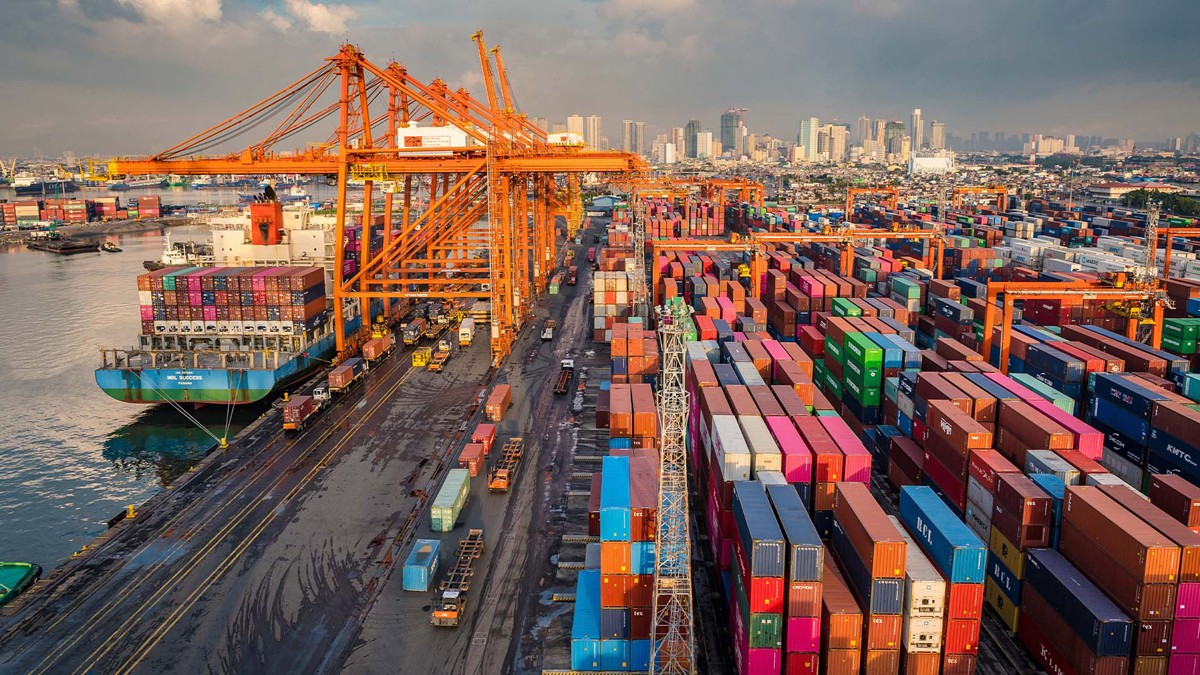


Think of the global shipping network like a massive, non-stop airport except instead of airplanes, you have giant cargo ships, and instead of passengers, you are moving millions of boxes filled with everything from electronics to food. Every single day, a huge team of people including the companies sending the goods, the ships carrying them, the ports unloading them, and customs officers checking them have to work together perfectly.
The biggest challenge in this massive operation is a lack of clear sight. To keep things moving smoothly, everyone needs to know three basic things: where a ship is right now, exactly what is packed inside it, and when it will finally dock. When different companies use different systems to track these things, communication breaks down, creating expensive delays. This is where GS1 standards come in. Think of GS1 as a universal language or a “global barcode system” that everyone in shipping agrees to use so they can share information instantly, easily, and without any mistakes.
At the center of this system is a specific tracking tool called EPCIS. Instead of forcing companies to call or email back and forth with updates, EPCIS acts like a shared digital bulletin board where companies log events automatically. EPCIS is the GS1 standard for sharing visibility event data. It enables shippers, shipping lines, port operators and agents to share information with each other about the what, where, when and why of each event as vessels and their shipments travel from port to port.

Imagine a real-world scenario: a ship sets sail from Singapore bound for a major port in Europe. Because both ports use this exact same digital standard, the operators at the destination port don’t have to guess when the cargo will arrive. They can see the exact what, where, when, and why of the journey in real time. This keeps everyone synchronized, prevents ships from getting stuck waiting outside crowded harbors, and builds trust between international trading partners.
To ensure this system works across every country, GS1 coordinates directly with global standard organizations like the ISO to break down a complicated journey into simple, bite-sized pieces of data. First, it tracks what is moving by assigning every ship a unique ID number like a license plate, giving each large container a standard digital code, tracking individual pallets with their own numbers, and labeling the entire shipment with a master ID. Next, it maps where and when it is moving by giving specific docking spots and harbor buildings unique location numbers to clear up any confusion about where a ship is dropping anchor, while locking time tags into a strict global format so time zones don’t confuse the crews. Finally, it explains why it is moving by using simple, standardized labels to describe what is happening at any given moment like marking a status as “currently loading cargo” or noting that a local harbor pilot has successfully boarded the ship.
The next step for global shipping is master predictive planning. Right now, the tracking system is great at recording what has already happened (like the exact minute a ship ties up to the dock. By standardizing how companies share Estimated Times of Arrival (ETA) and Estimated Times of Departure (ETD), ports will be able to arrange for trucks and trains to be lined up and waiting the exact moment the ship arrives.
Ultimately, these standards are much more than technical jargon. By giving the shipping industry a simple, shared way to communicate, GS1 helps cut through the chaos of global trade, keeping store shelves stocked and deliveries arriving on time.
Source Credit:
Information adapted from the official guide: “gs1standards_in-maritime.pdf” (GS1, GS1 Standards Enable Visibility from Port to Port).


