


By Smart Construction
Globally, GS1 standards have been applied in construction projects to tackle inefficiencies and ensure accountability. In China, GS1 supported the Ministry of Commerce in implementing the national Home Upgraded Policy, ensuring that housing materials and products were traceable and verifiable. This improved consumer confidence and streamlined government oversight. Similarly, buildingSMART International partnered with GS1 to digitize construction workflows, combining openBIM processes with GS1 identifiers. This collaboration created digital supply chains where every product, asset, and logistics unit could be tracked, reducing waste and enhancing transparency across the entire lifecycle of built assets.

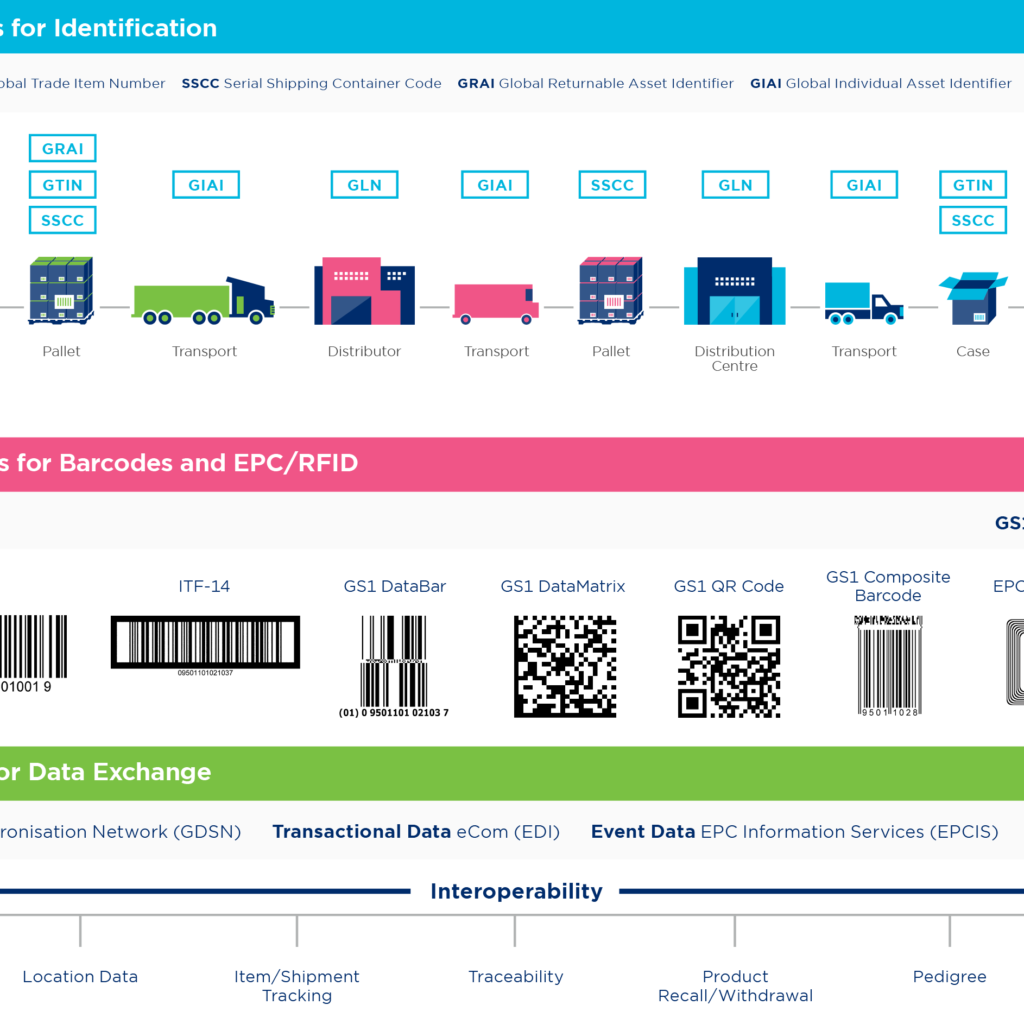
These case studies demonstrate that GS1 is not just about barcodes it is about creating a digital ecosystem where construction materials, suppliers, and contractors are interconnected through a universal language of trust.

Kenya’s affordable housing program is ambitious, aiming to provide thousands of homes for its growing urban population. Yet challenges such as counterfeit materials, opaque supply chains, and investor skepticism persist. By adopting GS1, Kenya could replicate the successes seen abroad. Materials used in housing projects could be digitally verified, ensuring compliance with safety standards. Contractors and suppliers could coordinate more efficiently, reducing delays. Most importantly, investors both local and international would gain confidence in projects backed by transparent supply chains.
Picture a housing estate in Nairobi built under the affordable housing initiative. Every brick, steel beam, and plumbing fixture carries a GS1 identifier, linking it to a verified source. Regulators can scan and confirm compliance instantly. Homeowners know their houses are safe, durable, and sustainable. Investors see a system that minimizes risk and maximizes accountability. This is the kind of transformation GS1 could bring to Kenya’s real estate sector.
Kenya will face hurdles in adopting GS1, including the cost of implementation for small suppliers and the need for training among builders and regulators. Resistance to change is also likely. However, the long-term benefits such as quality assurance, investor trust, and sustainable growth make GS1 adoption a strategic necessity.
Countries like UK and China are using standards to tackle challenges in safety, sustainability, and efficiency. One striking example is Dublin’s Children’s Hospital, where every asset from medical equipment to building components was tagged with GS1 identifiers. This enabled the creation of a digital twin, a virtual replica of the facility that supports real-time tracking, predictive maintenance, and operational efficiency.
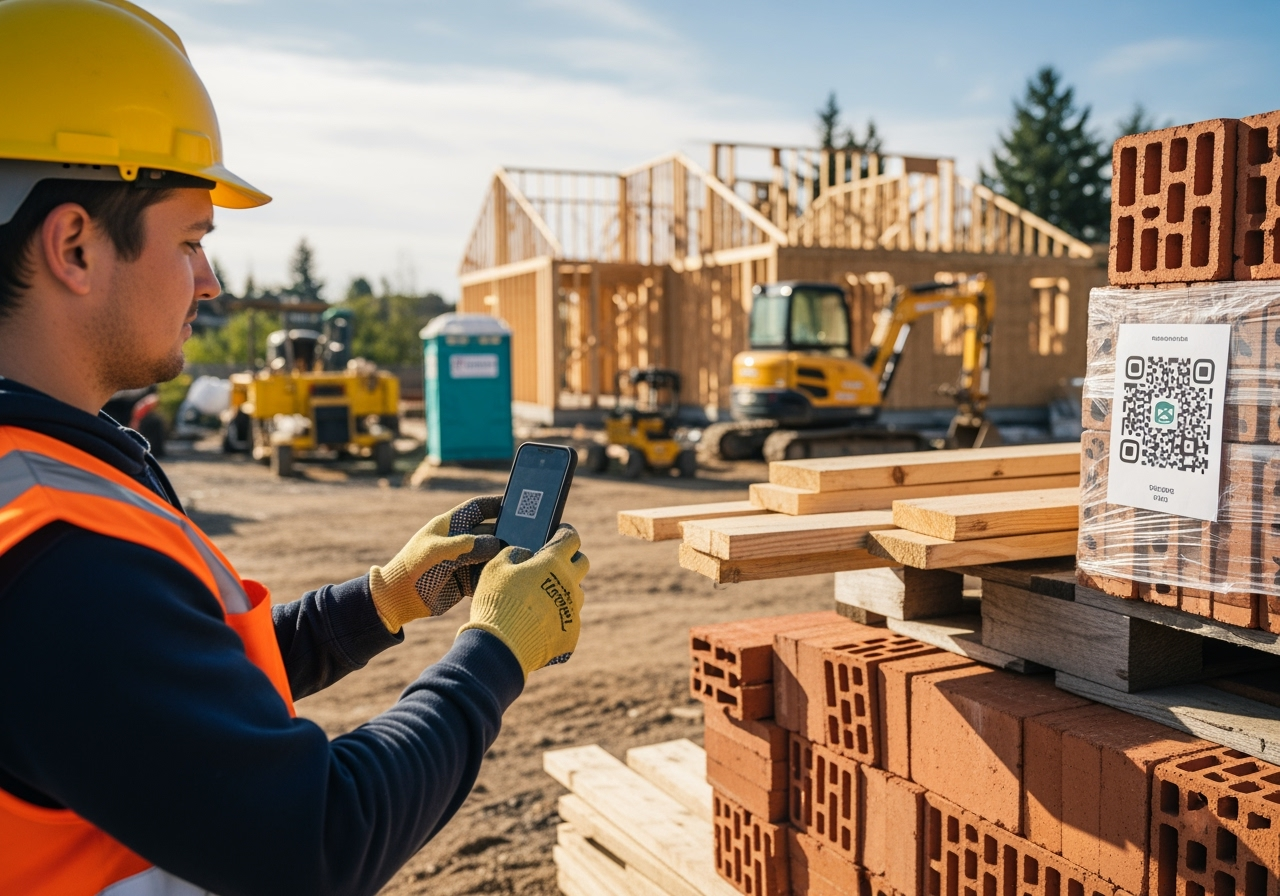
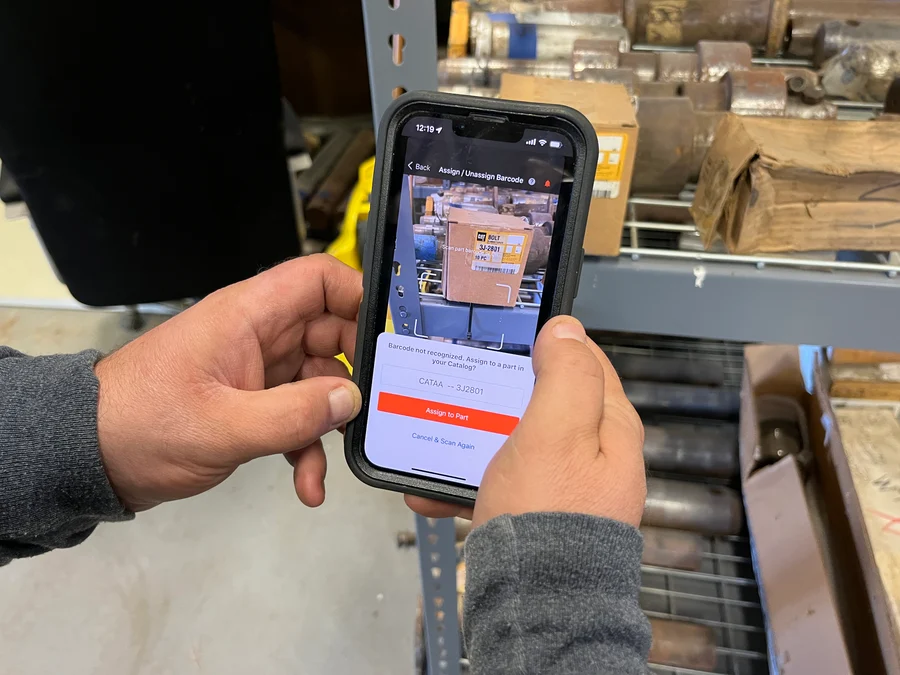
QR codes are another practical GS1 tool used in construction. By embedding GS1-compliant QR codes on materials and fixtures, construction teams can instantly verify authenticity, check compliance, and trace the origin of supplies. This reduces the risk of counterfeit materials and ensures accountability across the supply chain.
Kenya’s affordable housing initiative could benefit directly from these technologies. Imagine every cement bag, steel beam, or plumbing fixture in a Nairobi housing estate carrying a GS1 QR code. Contractors and regulators could scan and confirm compliance instantly, while homeowners could verify the quality of their fixtures themselves.
Digital twins could be applied to entire housing estates, allowing developers to monitor construction progress, predict maintenance needs, and manage resources more sustainably. This would reduce costs, extend the lifespan of housing projects, and build investor confidence by providing transparent, auditable data.
QR codes and digital twins are not abstract concepts they are already transforming construction projects abroad. For Kenya, adopting these technologies could mean affordable housing that is not only cost-effective but also safe, durable, and globally credible.
Read the GS1 UK article to see how these technologies are demonstrated in practice: Powering Digital Transformation in Construction and Facilities Management


