



Football has always been more than a sport. It is a story told in goals, whistles, and tears, a drama that unites billions across continents. From the crowded streets of Nairobi to the buzzing cafés of Buenos Aires, the World Cup is a heartbeat that pulses through nations. And now, as the 2026 edition approaches, technology is stepping onto the pitch not as a rival to passion, but as its guardian.
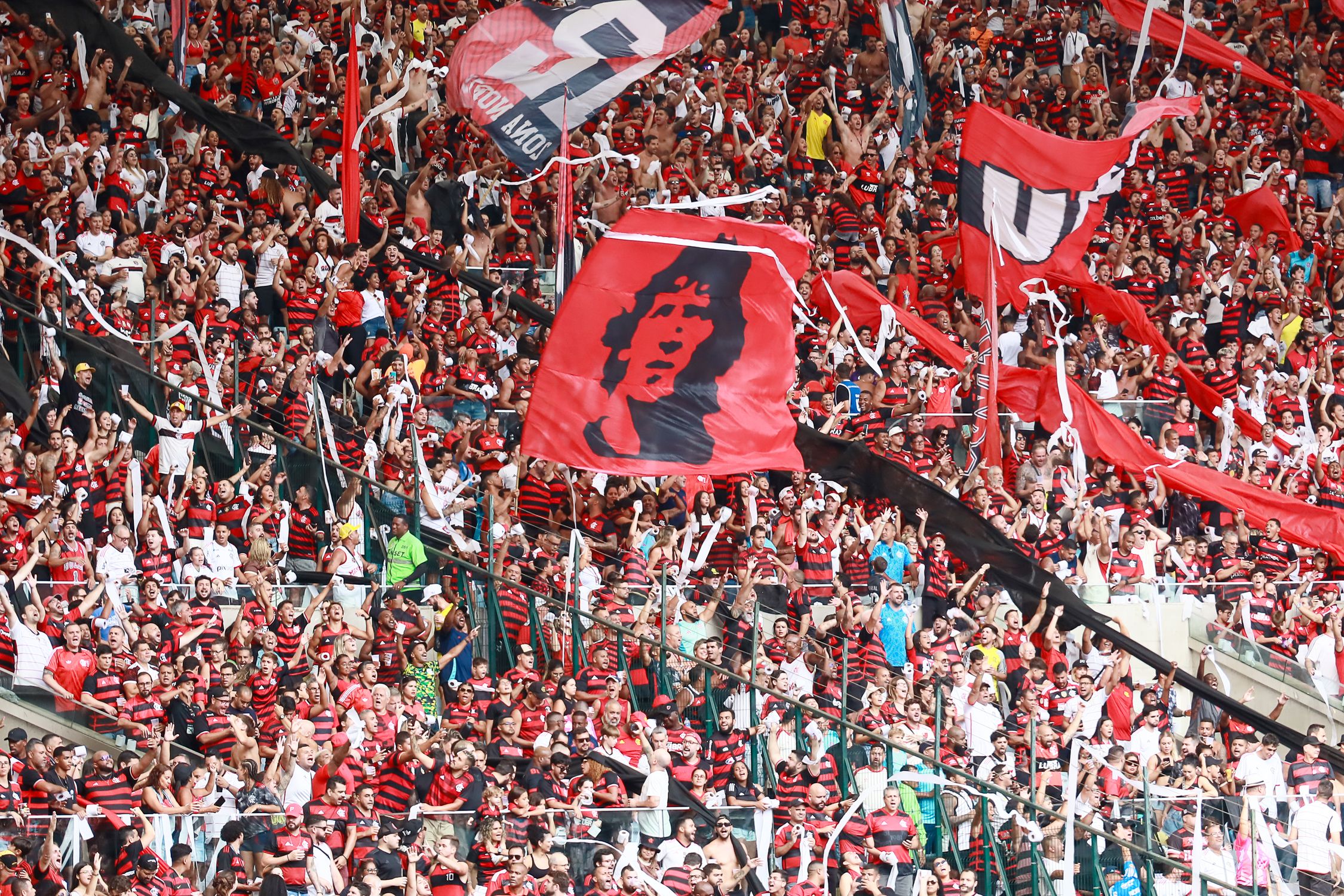
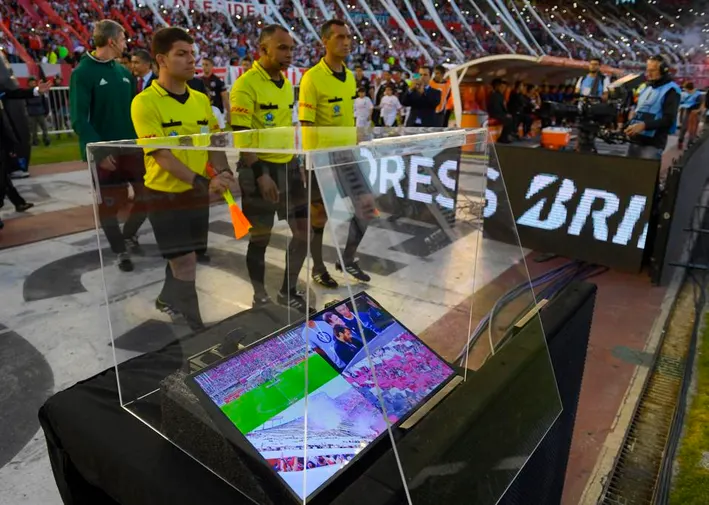
VAR, the Video Assistant Referee, first appeared in 2018 and has since become part of football’s folklore. It has delivered fairness in moments of controversy, like France’s penalty in the 2018 final and Japan’s millimeter-perfect goal against Spain in 2022. Yet it has also sparked endless debates, showing its dual nature as both hero and villain. In 2026, with 48 teams competing across the United States, Canada, and Mexico, VAR faces its biggest test.
This time, VAR will be supported by semi-automated offside detection, powered by AI-driven limb tracking and smart ball sensors. The ball itself, the Trionda, is no ordinary piece of equipment. It records hundreds of data points per second, tracking speed, spin, and touch. Its design reflects the host nations with red, green, and blue panels, but its true gift lies in the precision it offers referees and VAR.

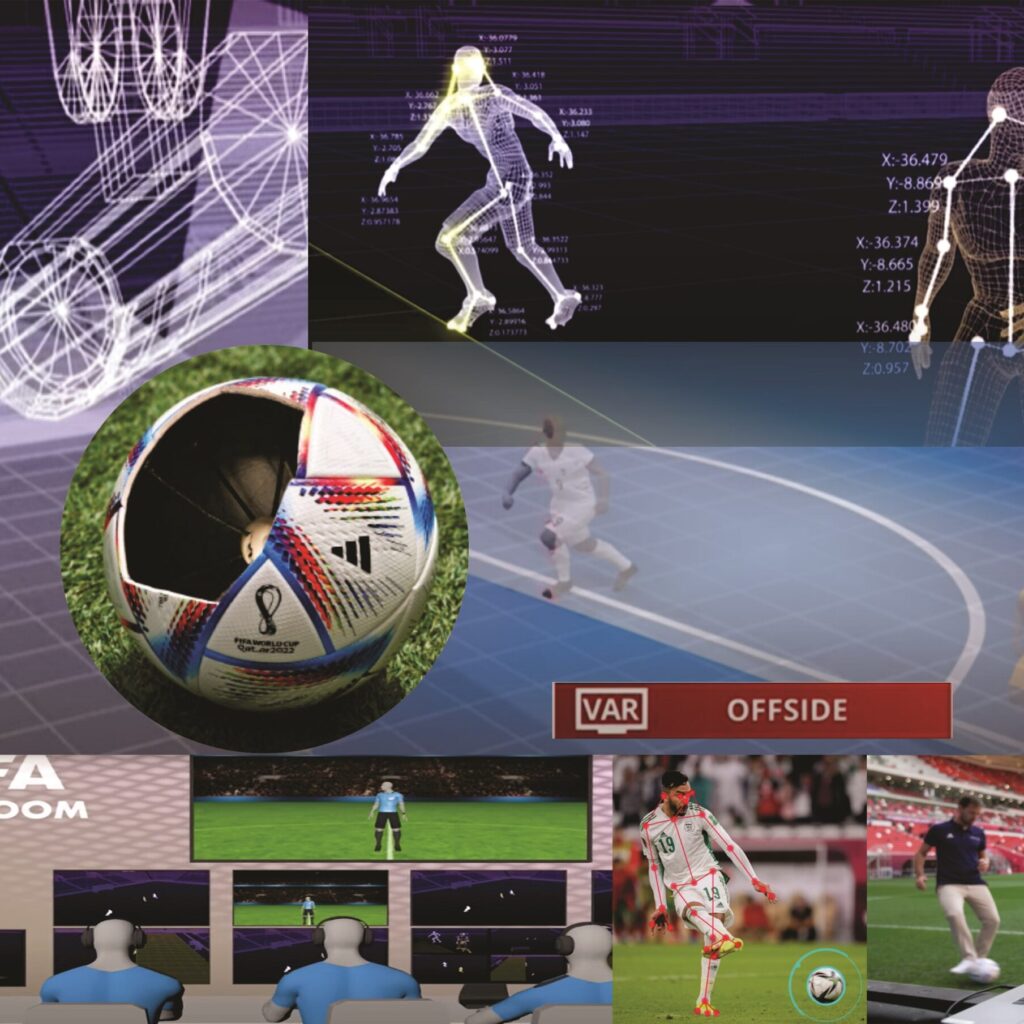
Linesmen, often under immense pressure to make split-second offside calls, will now have technology as their ally. As explained in this article on how technology helps football linesmen, human eyes alone cannot always catch the decisive moment. With sensors and cameras, those fine margins are no longer left to guesswork. Linesmen can focus on the flow of the game, while technology ensures accuracy.
Fans will also see more transparency. Stadium screens and broadcast graphics will show VAR’s decision making process in real time. Reviews that once dragged on will now be resolved in under 70 seconds. Smaller venues will benefit from streamlined VAR Light systems, ensuring consistency across every match. For referees, this is not about surrendering authority but being empowered to tell the story of the game truthfully.
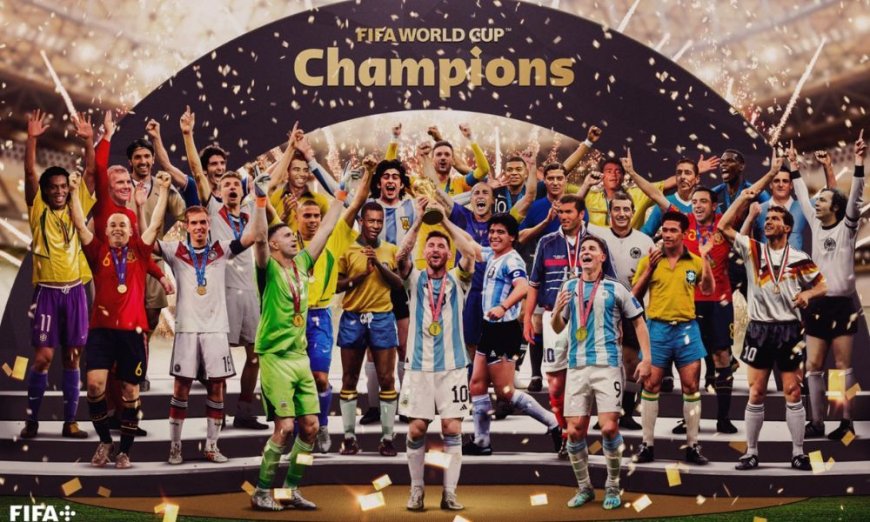
The World Cup has always been a stage for triumph, heartbreak, and controversy. Technology now adds a new layer to that narrative. It is the invisible referee, the silent witness, the guardian of fairness. And while fans may argue about its soul, one thing is clear: without standards, football would descend into chaos. With them, the game remains the world’s greatest drama, played out on the pitch and now, on the screen.
From June 11 to July 19, 2026, the roar of the crowd, the tears of a player, and the joy of a nation will be protected by VAR, semi-automated offsides, and the smart ball. Football is not losing its humanity it is gaining new ways to preserve it.
Article compiled by Tech Nova


