

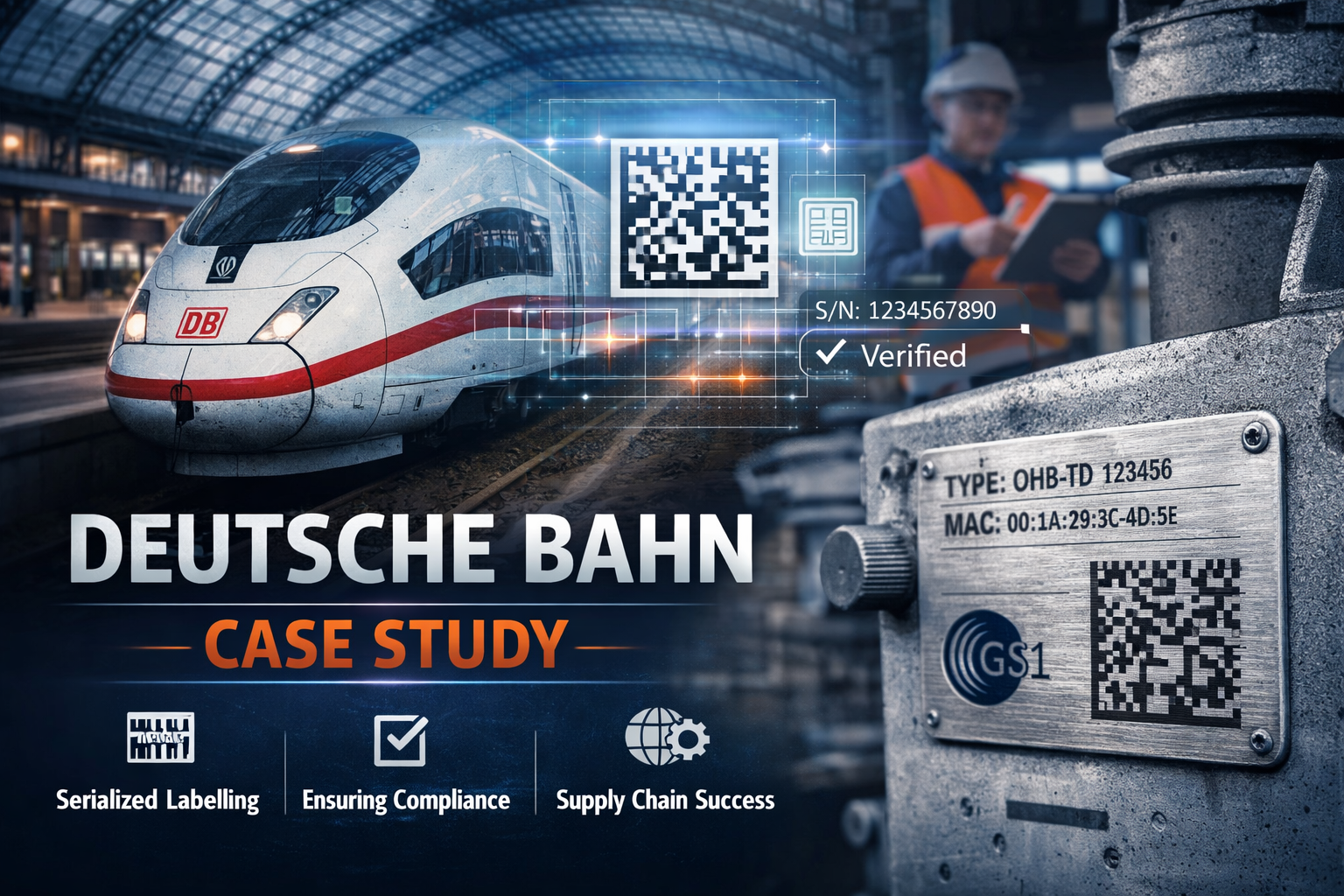

In a world where precision and reliability define success, few names carry as much weight as Deutsche Bahn, German’s National Railway company.Born in 1994 from the merger of East and West Germany’s railway systems, DB became more than a transport operator, it has became a symbol of unity and progress. Today, its commitment to modernization continues through initiatives that champion global standards and digital transformation.Today, it is one of the largest rail networks in the world, carrying millions of passengers and tons of cargo annually.
This case study explores how Deutsche Bahn, together with GS1 Germany, oneIDentity+, and OHB Teledata GmbH, turned complex compliance requirements into a model of efficiency. It’s a story of collaboration, innovation, and how shared standards can keep industries and people moving forward.
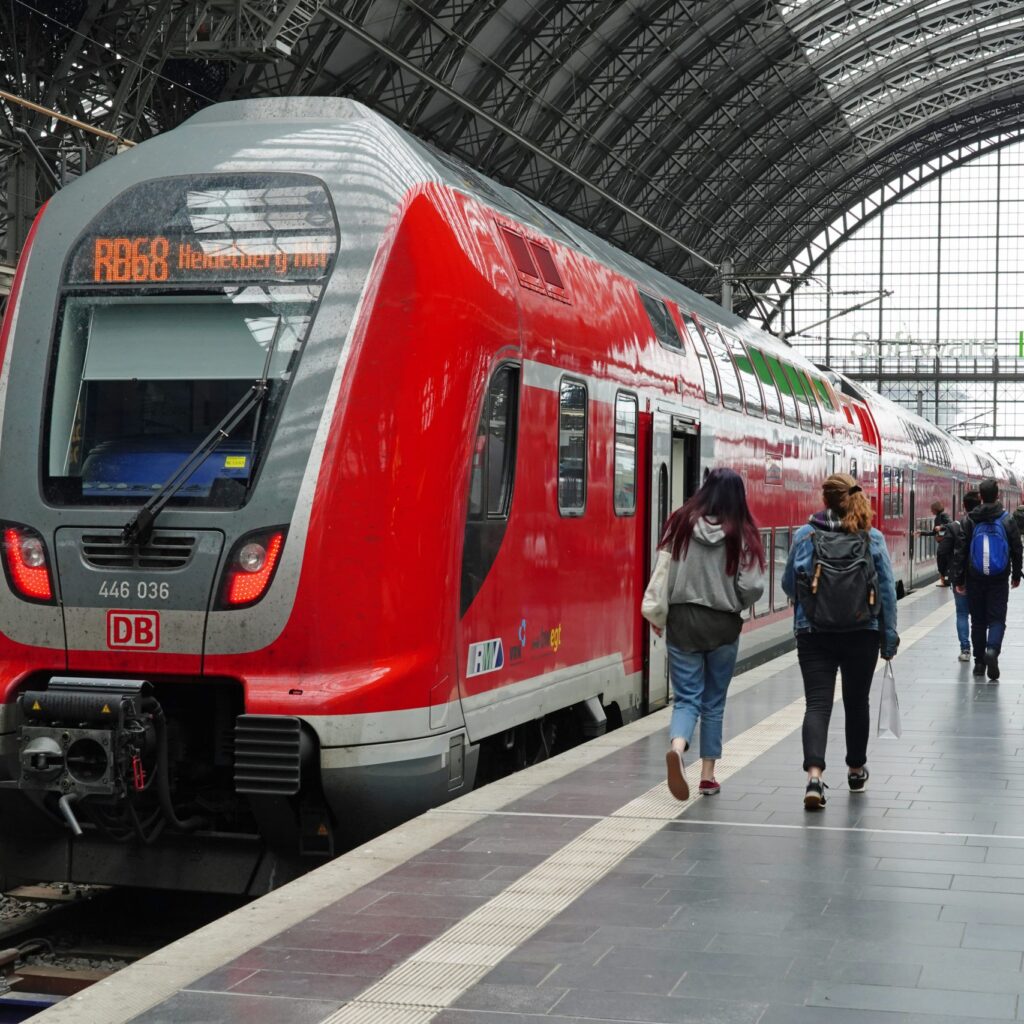
This spirit of modernization has also made DB a driving force in standardization. By working with GS1 Germany, DB integrated global recommendations on component identification into its supplier requirements. For OHB Teledata GmbH, this meant adapting to serialized labelling standards, a challenge successfully met with the expertise of oneIDentity+. This story is part of a wider movement where GS1 standards are reshaping industries from rail to healthcare.

The Challenge
Railway operators have long sought standardized, part-specific product labelling to improve traceability and digitalisation. With DB leading the charge, suppliers like OHB Teledata were required to label network components with GS1-compliant serialized codes.
At first glance, the requirements seemed overwhelming. Questions arose: What exactly needs to be marked? Where should the code go? How do GS1 standards apply?
The Collaboration
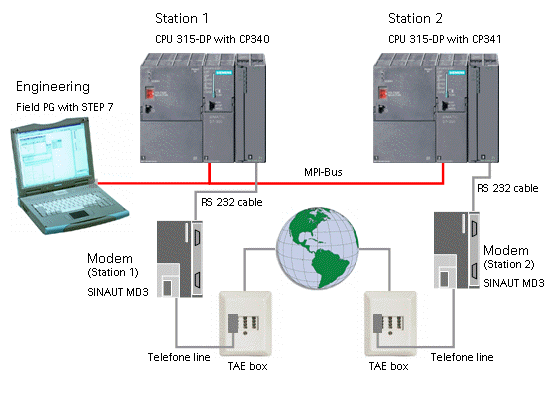
The success of the project was built on strong collaboration among several key players. At the center was DB Netz AG, acting as the customer and verifier, ensuring that the new labelling system met Deutsche Bahn’s requirements. GS1 Germany provided the standards expertise, guiding the process with their deep knowledge of global identification systems. IESY GmbH contributed as the hardware supplier and was responsible for producing the type plates, while oneIDentity+ GmbH coordinated the entire effort, serving as the project manager and implementation expert.
This partnership created a seamless ecosystem where each participant played a critical role. GS1 Germany’s Thorsten Kirschner highlighted the advantage of this cooperation, noting that the long-standing relationship between GS1 and oneIDentity+ allowed OHB Teledata to swiftly secure a number range and complete code verification without delays. The synergy between these organizations ensured that OHB Teledata could meet Deutsche Bahn’s requirements efficiently and confidently, setting an example of how collaboration drives innovation in the rail sector.
The Execution
The project unfolded over the course of three months, moving with precision and purpose. It began with the acquisition of the GS1 licence, a process coordinated by oneIDentity+, who also trained OHB Teledata’s IT teams to understand the structure and railway-specific application of the standards. With this foundation in place, attention turned to the redesign of the type plates. The shift from one-dimensional barcodes to GS1 DataMatrix codes allowed serial numbers and MAC addresses to be integrated more efficiently, streamlining the labelling process.
At the same time, direct negotiations with DB Netz AG ensured that practical adjustments could be made without unnecessary delays. One such agreement allowed the code to be positioned on existing type plates rather than requiring costly redesigns, a compromise that benefited both supplier and customer. Once the design was finalized, GS1 Germany carried out rigorous testing of the codes. Minor adjustments were recommended and swiftly implemented, paving the way for DB Netz AG to grant immediate clearance. Deliveries could then begin without interruption.
Reflecting on the experience, Bernd Friedrich of OHB Teledata remarked: “From then on everything ran like clockwork. We had to take care of hardly anything and were able to notify DB Netz AG of the standard compliant implementation in record time.” His words capture the efficiency and confidence that defined the project, underscoring how collaboration and standards can transform complex requirements into smooth execution.
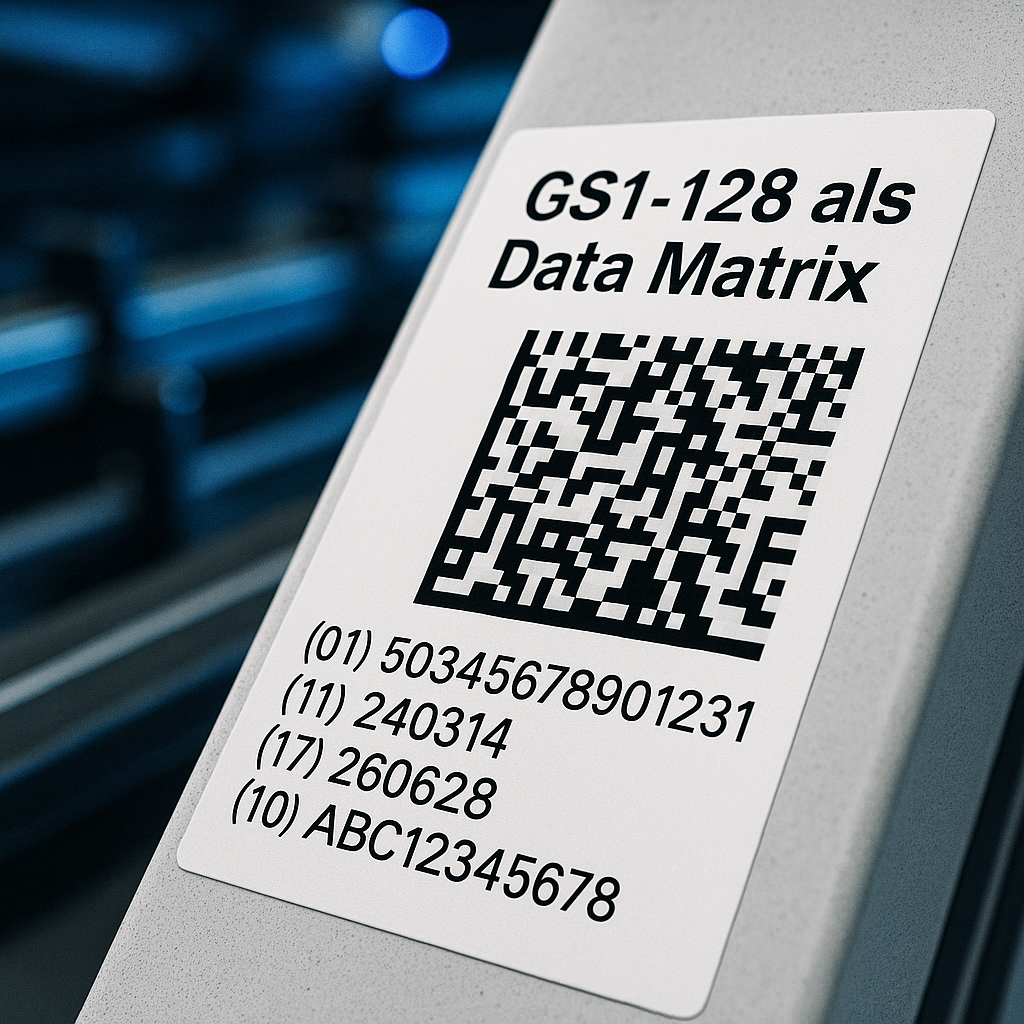
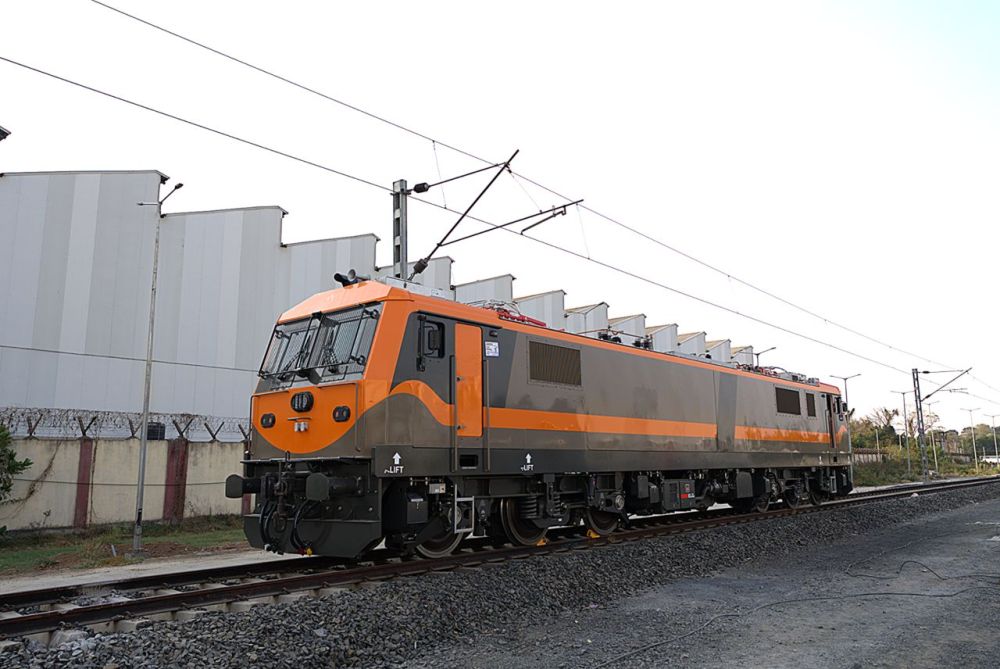
The story of OHB Teledata and Deutsche Bahn shows that standards are more than technical requirements, they are strategic tools for growth and trust. For suppliers, GS1 compliance is not just about meeting customer demands; it’s a competitive advantage that opens doors to future tenders. For operators like DB, serialized labelling brings transparency and reduces risk across complex supply chains. And for consumers, whether in rail or healthcare, GS1 standards guarantee authenticity and safety, ensuring that what reaches them is reliable and secure.
This case reminds us that when industry leaders embrace global standards, they don’t just streamline processes they build confidence across the entire value chain.
This feature draws on case study and project reports from GS1 Germany, oneIDentity+, OHB Teledata. For readers who want to explore the full details of this success story, the original case study is available here: Deutsche Bahn & OHB Teledata Case Study.
Article compiled by Swift Miles


