




Across Kenya, the hum of machines tells the story of resilience and ambition. A food processor struggles to keep production lines running during yet another power outage. A textile manufacturer calculates how rising electricity tariffs are eating into profits. In another plant, an agro‑processor is eager to expand into regional markets but hesitates, unsure how to navigate the latest compliance rules.
These are the everyday realities of Kenya’s micro, small, and medium enterprises (MSMEs) in processing and manufacturing. They are innovative, determined, and vital to the country’s economic heartbeat. Yet, behind the determination lies a constant challenge: regulations that shift faster than many businesses can adapt. For MSMEs to thrive, understanding and meeting these requirements is no longer optional — it’s the difference between growth and stagnation.
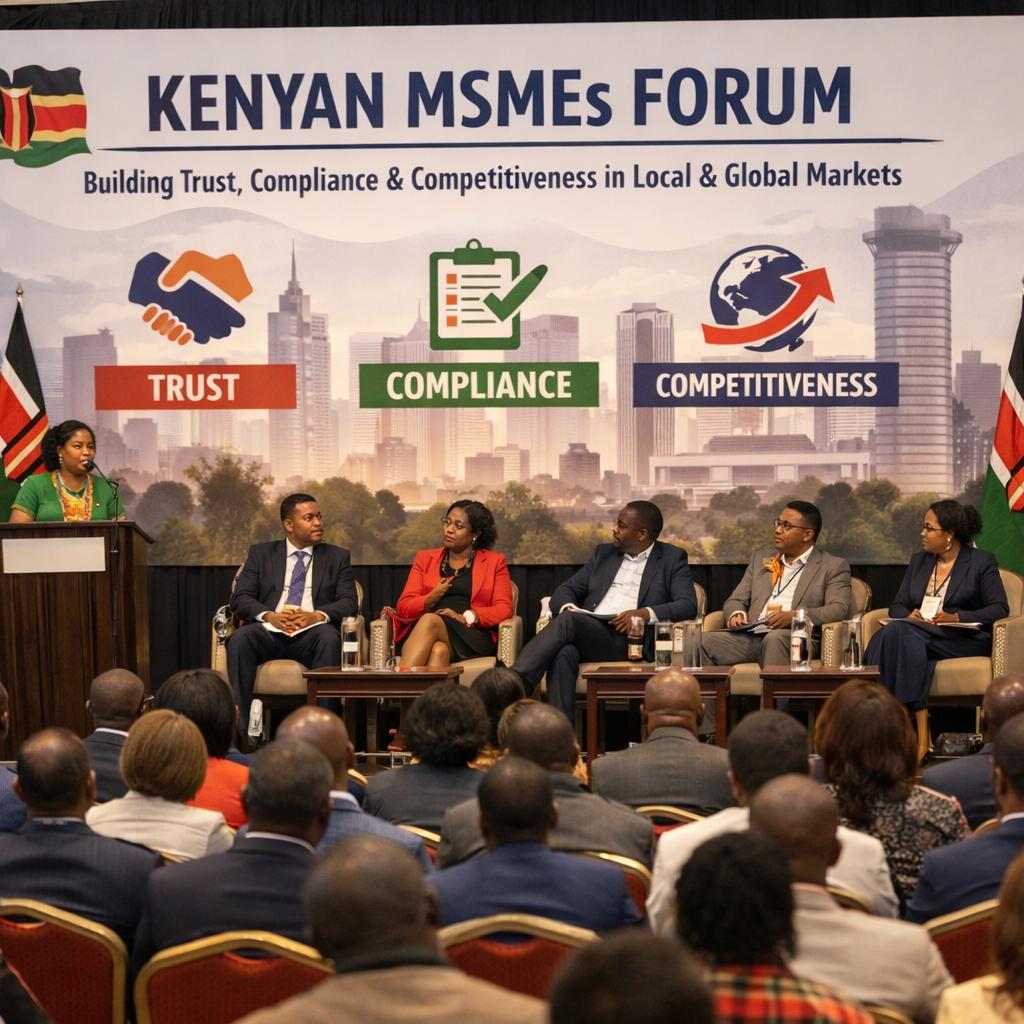
Micro,Small & Medium enterprises(MSMEs) are considered to be the biggest contributors of the kenyan economy at approximately 40% of the Kenya GDP. As of early 2026, MSMEs continue to be the main contributors to the national economy more so creating job opportunities. However, for these businesses to grow there are key factors that cannot be overseen – matters to do with regulations. Regulatory requirements play a fundamental role in how business operate in Kenya and these regulations could be govern by the government or private entity.

One of the biggest challenge MSMEs are currently facing is the issue of regulations that keep changing and become a hurdle to most MSMEs in accessing the market. For business to succeed in Kenya , SMEs must understand how these regulations oversee their business operations and how to navigate through them. However, regulatory bodies should also engage the MSMEs understand some of the challenges MSMEs are facing in order to have their businesses strive. Currently, manufacturers in Kenya face the challenge of high industrial power tarrifs which significantly inflate production costs. In addition, the roll of etims presents a major hurdle for MSMEs striving to conduct business smoothly. When you combine with the ongoing illicit trade and high import duties on machinery, all these factors exudes a high cost business environment that makes it increasingly difficult for local goods to compete with cheaper, standardized imports in the regional market. When you compare businesss with our neighboring countries, our SMEs are disadvantage in this competitive market.

Compliance Requirements for SMEs in Different Sectors
Small and medium enterprises face a variety of obligations that differ depending on the industry they operate in. While some responsibilities, such as proper tax registration and timely filing, cut across all businesses, others are shaped by the nature of the sector. For instance, companies in manufacturing may need to address duties tied to production, while service-based firms often focus on employment standards and workplace practices. Environmental considerations also come into play for businesses whose activities affect natural resources. Beyond financial reporting, maintaining accurate records and transparent operations helps SMEs build trust with partners, investors, and customers.
Consequences of Ignoring Compliance
When small and medium enterprises overlook compliance obligations, the effects can ripple across finances, operations, and reputation.
The most immediate impact is financial strain. Penalties and unexpected costs can quickly eat into profits, making it harder for MSMEs with limited resources to stay afloat. Legal disputes may also arise, draining time and money while distracting leaders from running the business.
Operational setbacks are another risk. Losing essential permits or facing interruptions can halt activities altogether, leading to lost revenue and even job cuts. In addition, the damage to reputation can be long-lasting. Customers, investors, and partners value trust, and once that trust is broken, opportunities may disappear.
Why GS1 Standards Are Essential for Business
For MSMEs in healthcare and manufacturing, adopting GS1 standards is more than a technical upgrade—it’s a strategic move that strengthens competitiveness and credibility. By implementing globally recognized identifiers and barcodes, businesses can ensure product authenticity, streamline supply chains, and improve traceability from production to point of care. This not only reduces risks such as counterfeit goods but also opens doors to new markets, partnerships, and funding opportunities. In a landscape where trust and transparency drive growth, GS1 standards provide MSMEs with the tools to operate efficiently, safeguard consumers, and position themselves for sustainable success.

For many manufacturers, the maze of compliance feels endless — shifting rules, rising costs, and constant uncertainty. Yet, there is a path that brings clarity and confidence. By adopting GS1 standards, SMEs can align with globally recognized practices that simplify compliance, strengthen trust, and open doors to new markets. A barcode on a package may look small, but it carries the weight of authenticity, transparency, and opportunity. For Kenya’s processors and manufacturers, embracing these standards is not just about meeting regulations — it’s about unlocking growth, protecting consumers, and ensuring that local products can stand tall against global competition.
By Enterprise Hub


