

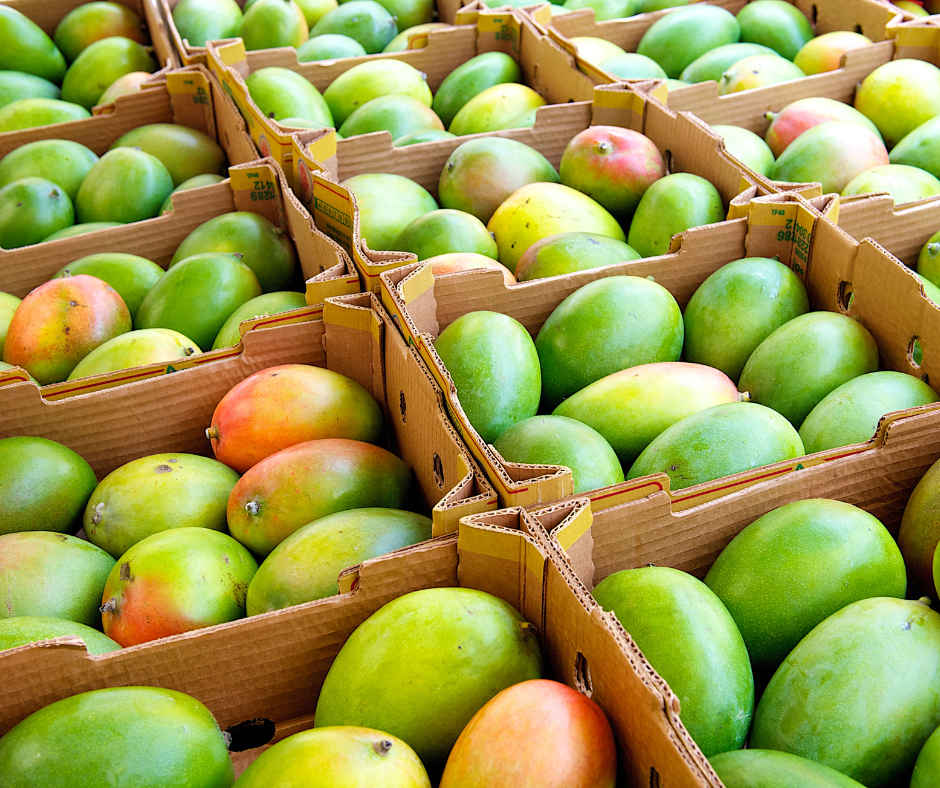

Powering Traceable Mango Exports
Kenya’s mango industry is once again in the spotlight as exporters adjust to tightening European Union import rules. Over the past week, exporters have highlighted the urgency of adopting robust traceability systems to meet the EU’s expanded requirements for origin data, batch details and quality documentation.
Many exporters have already begun shifting to GS1 barcodes to strengthen product identification from the farm level to the final export destination. This shift is driven by necessity: without credible traceability, consignments face delays, rejections or reduced market access.


By assigning GS1 identifiers such as GTINs to packaged mango units and GLNs to pack houses and farms, exporters can create a transparent record of every step the fruit takes; harvesting, sorting, processing, packing and shipping. When mapped with GS1-enabled barcodes, this data becomes instantly scannable and verifiable by EU border inspectors and buyers.
For a high-growth export like mangoes, this traceability shift can help Kenya protect its reputation, build consumer confidence in overseas markets and guarantee the authenticity of its fresh produce.
With the EU tightening its grip on food safety and proof-of-origin requirements, GS1 standards are no longer a competitive advantage, they are a necessity for Kenya to remain on the global export table.


