



Why a Kenyan success story struggled to win over South African users.
M-Pesa is one of Kenya’s greatest success stories, changing how people move money and shaping the future of mobile banking. But when the same service was introduced in South Africa, it failed to take off. The big question is why a platform that transformed lives in Kenya could not achieve the same results in one of Africa’s largest economies.
One of the main reasons is that South Africa’s banking sector is very different from Kenya’s. In Kenya, many people did not have access to formal bank accounts, so M-Pesa filled a big gap by offering a simple and affordable way to send and receive money. In South Africa, however, most people were already banked and traditional banks had strong networks that met many of the needs M-Pesa was designed to solve.

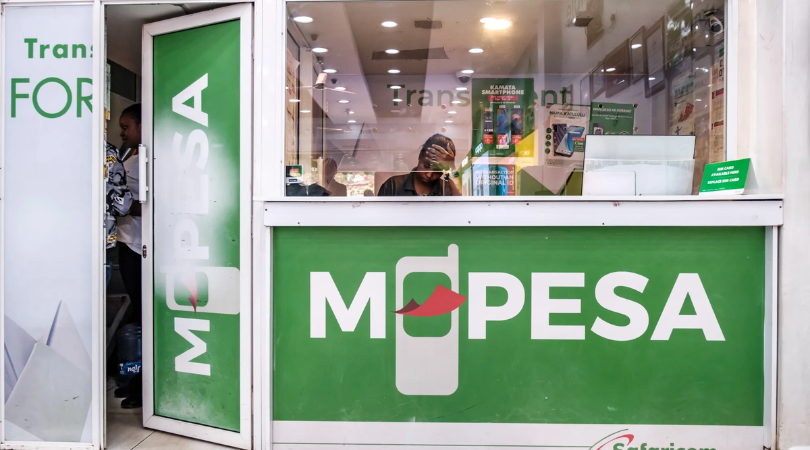
Another challenge was regulation. South Africa’s financial rules were stricter, making it harder for M-Pesa to operate as freely as it did in Kenya. This slowed down its growth and limited its ability to attract new users. On top of that, the service was not marketed in a way that connected deeply with everyday South Africans, leaving many unsure of why they needed it in the first place.
In the end, M-Pesa’s struggles in South Africa were less about the technology itself and more about the environment it entered. While it thrived in Kenya by filling a crucial gap, in South Africa it faced stiff competition from established banks, heavy regulations and a customer base that did not see the same urgency. It is a reminder that even great innovations need the right conditions to succeed.


