

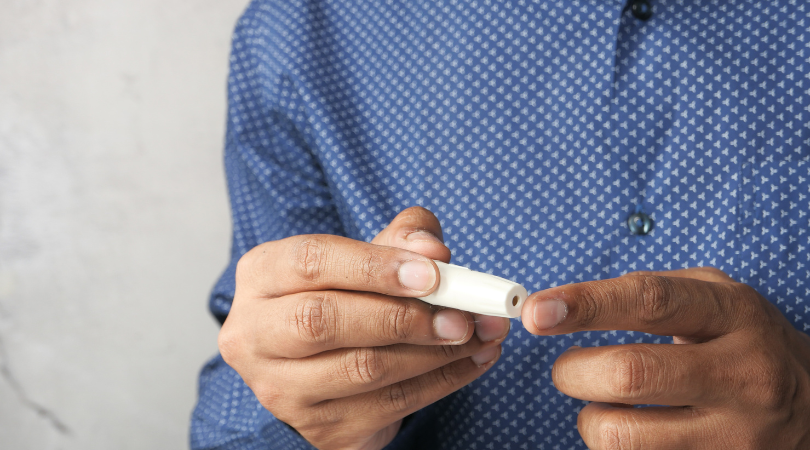

Rising cases put spotlight on prevention, lifestyle changes, and early screening.
Diabetes is one of the fastest-growing health challenges in Kenya and men are at high risk. Lifestyle factors such as poor diet, lack of exercise, smoking and alcohol use make men more likely to develop the disease. Many men also avoid regular check-ups, meaning diabetes is often discovered late when it has already caused damage.
When untreated, diabetes can lead to serious health problems like heart disease, kidney failure, vision loss and poor wound healing. It also affects productivity and family life, as men may struggle to keep up with daily responsibilities when their health is weak. Early detection and consistent management are key to reducing these risks.


This is where traceability becomes important. In healthcare, traceability makes it possible to follow a patient’s journey from diagnosis to treatment, medication and follow-up care. It ensures that the right medicines are given, blood sugar tests are accurate, and patients receive continuous monitoring. For men living with diabetes, this creates accountability and builds trust in the system.
By combining healthy lifestyle choices with strong traceability in care, men can better manage diabetes and avoid life-threatening complications. It is a reminder that good health depends not only on personal responsibility but also on systems that track and protect every step of treatment.


